
Varanasi and Thailand share fascinating cultural connections through the Ramayana tradition, the Thai epic Ramakien, royal Brahmanical ceremonies and Buddhist pilgrimage. Varanasi’s sacred Ganges riverfront and nearby Sarnath offer visitors a way to explore India’s living religious traditions while understanding the wider cultural exchanges that shaped Southeast Asia.
The cultural connection between Varanasi and Thailand is part of a wider history of Indian religious ideas, literature and traditions travelling across Asia. Thailand’s Ramakien reflects the Ramayana tradition, while Sarnath near Varanasi remains an important Buddhist pilgrimage destination with connections to international Buddhist communities, including Thailand.
The Cultural Connection Between Varanasi and Thailand
Varanasi, also known as Kashi or Banaras, is one of India’s most important centres of Hindu religious life. Thailand has a distinctive cultural identity shaped by Theravada Buddhism, local traditions and historical exchanges with Indian religious ideas, stories and artistic forms.
These connections developed over centuries through trade, travel, religious scholarship, literature and royal patronage. They should be understood as part of a wider South and Southeast Asian history rather than as evidence that every Thai custom originated in Varanasi.
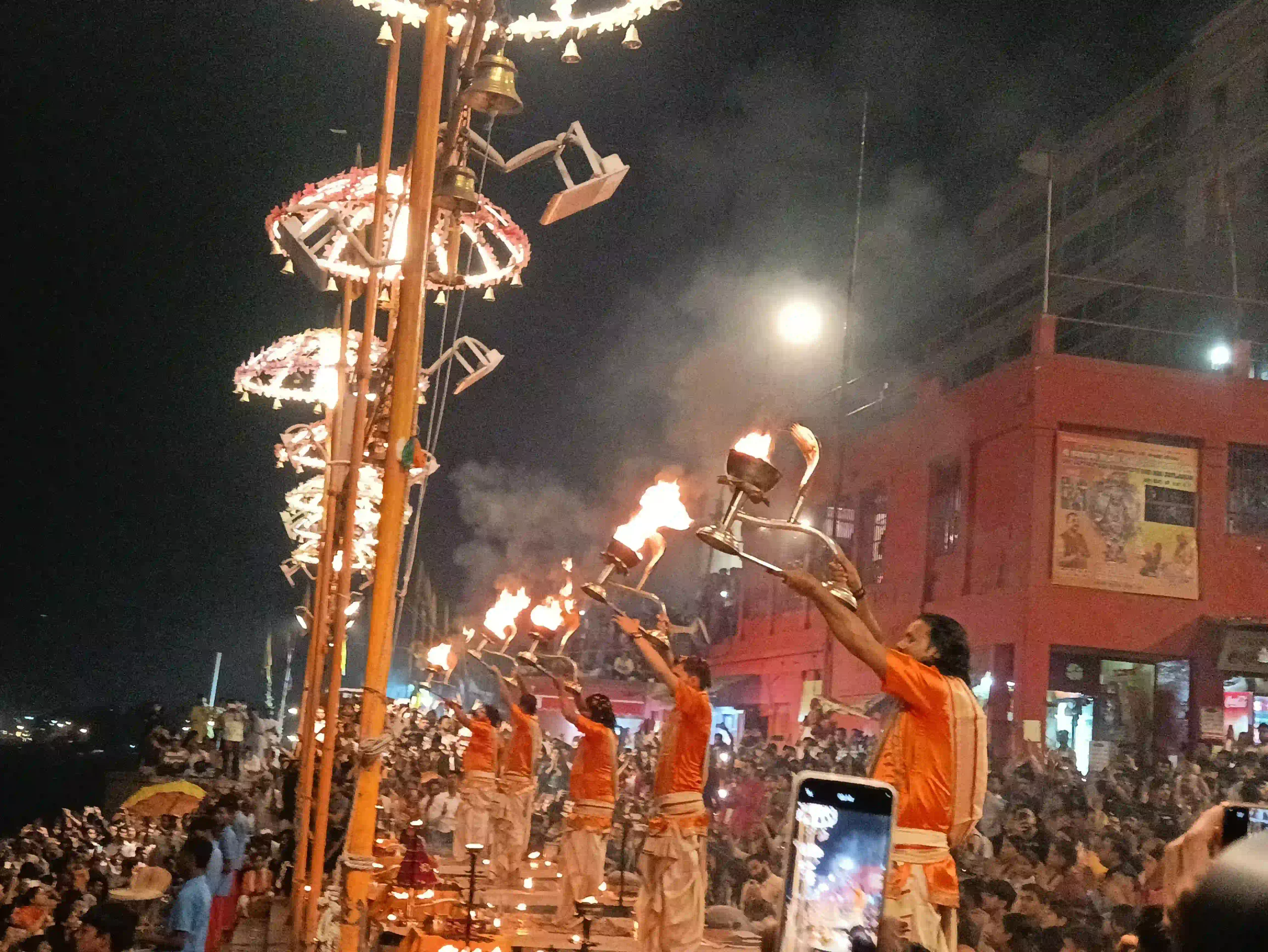
The Ganges riverfront gives visitors an opportunity to observe Varanasi’s continuing religious life. A visit to nearby Sarnath adds a Buddhist dimension to the journey, making the region particularly interesting for travellers exploring India’s cultural heritage.
To understand the wider spiritual identity of the city, explore our guide to
Kashi: A Soulful Journey to the World’s Oldest Living City.
Ramakien and the Ramayana Tradition
The Ramakien is Thailand’s best-known national epic and is related to the broader Ramayana tradition found across South and Southeast Asia. The story of Rama travelled through different cultures and developed into distinctive literary, theatrical and artistic forms.
Familiar Characters with Thai Interpretations
Rama, Sita, Hanuman and other familiar figures appear in different Ramayana traditions. In Thailand, their stories are expressed through Thai language, literature, dance, painting and performance. Some narrative details and character portrayals differ from versions familiar in India.
The Ramakien is therefore best understood as a distinct Thai cultural work influenced by the wider Rama tradition, not as an exact translation of one Indian text.
Is Varanasi the Origin of the Ramakien?
Varanasi has long been an important centre of Indian religious and intellectual life. However, a direct claim that the Ramakien originated specifically in Varanasi requires historical evidence and should not be presented as an established fact.
The stronger historical connection is the broader movement of Indian religious stories and cultural ideas into Southeast Asia, where communities adapted them to their own traditions.
Continue exploring this shared heritage in
Global Ramayana: The Profound Southeast Asian Influence on Ayodhya’s Legacy.
Thai Royal Traditions and Brahmanical Ceremonies
Thailand’s royal traditions preserve elements of Brahmanical ritual alongside Buddhist practices and local customs. Brahmanical priests have historically held ceremonial roles in significant royal events, including coronation-related rituals.
The Rama Title in Thailand’s Chakri Dynasty
The kings of Thailand’s Chakri dynasty are associated with the regnal title Rama. The title reflects the influence of the Rama tradition within Thai royal culture and illustrates how Indian religious and literary ideas became part of a wider regional heritage.
These traditions are part of Thailand’s own historical development. It would be inaccurate to conclude that every Thai Brahmin or royal ritual has a direct origin in Varanasi. Connections between the two regions belong to the wider history of religious exchange across Asia.
For visitors, this history offers a useful perspective on how religious ideas can travel across borders while developing distinct identities in different countries.
Wat Thai Sarnath and Buddhist Heritage
Sarnath is located a short journey from Varanasi and is one of the most important Buddhist pilgrimage destinations in India. Buddhist tradition holds that Gautama Buddha delivered his first sermon here after attaining enlightenment. The wider archaeological area includes ancient remains, stupas and monasteries.
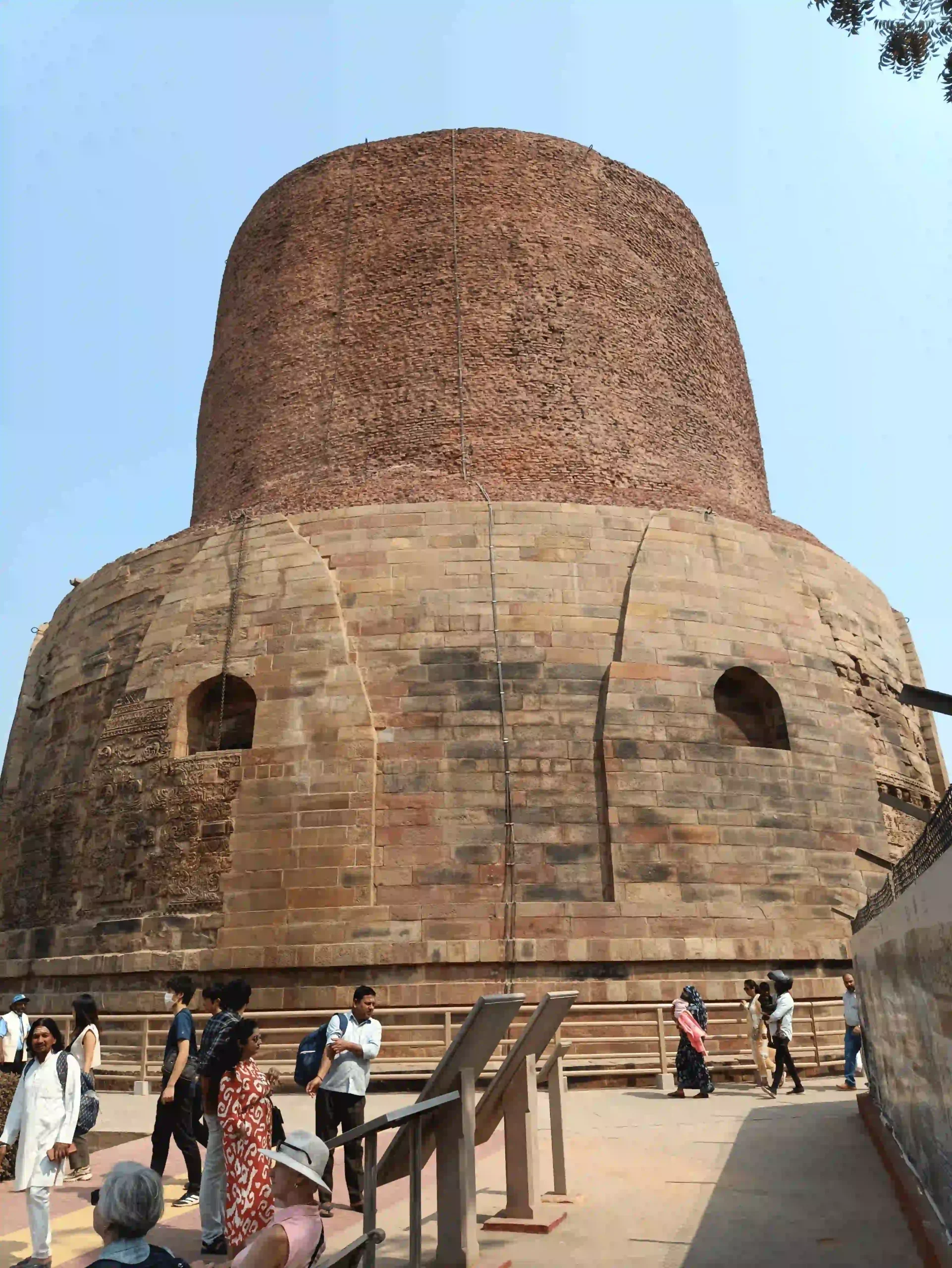
Wat Thai Sarnath
Wat Thai Sarnath reflects the continuing presence of Thai Buddhist culture in this important pilgrimage region. The temple is of interest to travellers wishing to understand the connections between Thailand’s Buddhist community and the historical landscape of Sarnath.
Sarnath also welcomes visitors interested in Buddhist history, architecture and the spread of Buddhism beyond India. The experience is different from the busy riverfront of Varanasi and can provide a quieter complement to a city visit.
What to Keep in Mind During Your Visit
- Allow enough time to explore the archaeological area and its main monuments.
- Check local opening hours and entry arrangements before travelling.
- Dress respectfully when visiting active religious sites.
- Follow photography signs and any instructions displayed inside temples.
- Consider visiting Sarnath separately from the main Ganga Aarti experience so you are not rushed between locations.
Travellers interested in the wider international history of Buddhism can also read
Varanasi and China: The Ancient Trail of Huen Tsang and Buddhist Wisdom.
How to Plan a Journey from Thailand to Varanasi
Travellers arriving from Thailand should check current flight routes, transit requirements and entry rules before finalising their plans. Available connections can change by season and airline, so do not assume that a direct flight operates on your chosen travel date.
Flights and Arrival Options
Depending on current schedules, travellers may find a connection through an Indian or another international hub before continuing to Varanasi. Check the latest flight information and the total journey time rather than relying on an old route listing.
For flight searches, visit
Google Flights.
This is a flight-search service, not a government travel authority; confirm the final itinerary and fare conditions with the airline before booking.
Reaching Varanasi by Train
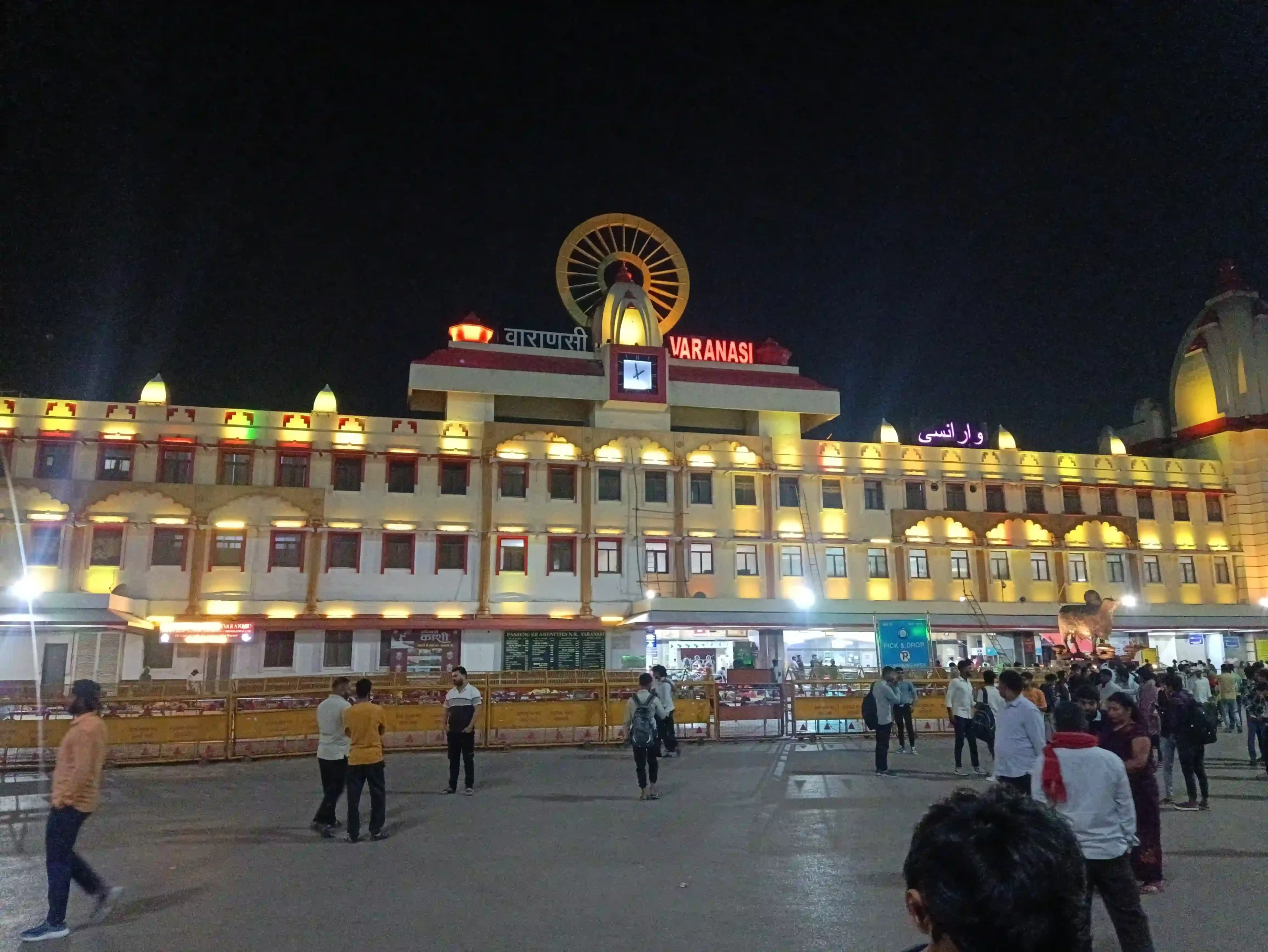
Varanasi Cantt is one of the city’s main railway stations. If you are travelling to Varanasi from another Indian city, compare train schedules, arrival times and station details before selecting a service.
Use the official
IRCTC website
for train availability and ticket bookings. Timetables, ticket rules and services can change, so verify the information for your travel date.
Plan Local Transport in Advance
- Keep your hotel address saved offline or available on your phone.
- Confirm the drop-off point with your driver, especially if your accommodation is in a narrow lane near the ghats.
- Allow extra time for traffic and walking in crowded areas.
- For Sarnath, confirm the return transport plan before starting your visit.
- Check the latest temple, monument and local transport arrangements close to your travel date.
Places to Explore in Varanasi
Visitors interested in the cultural relationship between India and Thailand can combine the city’s religious landmarks with a visit to Sarnath. Each place offers a different perspective on the region’s spiritual history.
1. Dashashwamedh Ghat
Dashashwamedh Ghat is widely known for the evening Ganga Aarti. The ritual draws pilgrims and visitors who gather along the river to observe lamps, chants and ceremonial worship. Crowds can be substantial, particularly during festivals and busy travel periods, so allow time to reach the riverfront.
2. Kashi Vishwanath Temple
Kashi Vishwanath Temple is one of the most significant Shiva temples in Varanasi. Visitors should check current entry rules, security procedures and darshan arrangements before arriving. During busy periods, queues and restrictions may affect the time needed for a visit.
3. Varanasi’s Ganges Riverfront
The ghats offer an opportunity to observe the many aspects of daily religious life along the Ganges. An early morning visit can provide a different atmosphere from the evening Aarti, with boats, worshippers and activity gradually increasing along the river.
4. Sarnath and Dhamek Stupa
Sarnath is an essential stop for visitors interested in Buddhist history. The Dhamek Stupa and surrounding archaeological remains help explain the area’s importance in Buddhist tradition. Allow sufficient time to explore without rushing back to the city.
5. Local Streets and Cultural Traditions
Varanasi’s neighbourhoods, traditional markets, food and craft traditions add another layer to a cultural visit. Be mindful of local customs, ask before photographing people at close range and take care when walking through narrow or crowded lanes.
Frequently Asked Questions
1. What is the cultural connection between Varanasi and Thailand?
Their connection forms part of a wider history of cultural exchange across South and Southeast Asia. Indian religious ideas, the Rama story and Brahmanical traditions influenced aspects of Thai culture, while Sarnath near Varanasi remains an important destination for Buddhist pilgrims, including visitors from Thailand.
2. Is Thailand’s Ramakien the same as India’s Ramayana?
No. The Ramakien is Thailand’s own version of the broader Rama story. It shares familiar characters and themes with Ramayana traditions but has distinct Thai literary, artistic and narrative features.
3. Why is Sarnath important to Thai Buddhist visitors?
Sarnath is traditionally recognised as the place where Gautama Buddha delivered his first sermon. Its Buddhist monuments and temples make it an important destination for pilgrims and travellers interested in Buddhist history.
4. Can travellers visit Varanasi and Sarnath on the same trip?
Yes. Many travellers combine Varanasi’s riverfront and temples with a separate visit to Sarnath. The time needed depends on traffic, opening hours, crowds and the places included in the itinerary.
5. What should international visitors check before travelling to Varanasi?
Check current flight options, visa and entry requirements, train schedules if relevant, accommodation location, local transport and the latest arrangements for temples and monuments. Confirm important details through the appropriate official or service provider websites before departure.
Travel and Cultural Information Disclaimer
This guide provides general cultural and travel information. Historical traditions may have different interpretations, and cultural connections should not be taken as proof of a direct origin unless supported by reliable evidence. Flight routes, train schedules, opening hours, entry rules, transport options and local arrangements can change. Verify current details before travelling.
Explore More of Ayodhya and Kashi
Continue discovering the region’s religious heritage, cultural connections and travel planning resources in our
Ayodhya & Kashi: The Global Hub.