
Varanasi and Cambodia may seem like two very different destinations, separated by national borders and thousands of years of history. Yet their cultural stories meet through the wider traditions of Hinduism and Buddhism. Sarnath, near Varanasi, is associated with the Buddha’s first sermon, while Cambodia’s Angkor Wat reflects the remarkable Hindu temple tradition of the Khmer Empire and its later Buddhist associations.
The connection is best understood through shared Hindu and Buddhist heritage, religious ideas and centuries of cultural exchange across Asia. Sarnath near Varanasi is a major Buddhist pilgrimage site, while Angkor Wat in Cambodia was originally dedicated to Vishnu and later became an important Buddhist religious centre. A direct historical link between these two specific monuments should not be assumed without evidence.
The Shared Heritage of Varanasi and Cambodia
Varanasi, also known as Kashi or Banaras, is one of India’s best-known spiritual cities. Its identity is closely associated with Hindu worship, the River Ganga, ancient learning and the living traditions of pilgrimage. Just outside the main city, Sarnath preserves a different but equally important part of India’s spiritual history: the place where the Buddha is believed to have delivered his first sermon after attaining enlightenment.
Cambodia’s historic temples tell another part of Asia’s religious story. The Khmer Empire adopted and developed Hindu religious traditions, temple architecture and Sanskrit-influenced cultural practices. Buddhism also became deeply rooted in Cambodian religious life over time.
These histories help explain why Varanasi, Sarnath and Cambodia are meaningful to people interested in Asian spiritual heritage. However, a shared religious background does not by itself prove that one particular monument directly influenced another.
Our Morning Visit to Sarnath: A Personal Experience
We visited Sarnath in the morning and reached the site by around 10 AM. After arriving, we went to the ticket window and bought our tickets before exploring the archaeological site. It was a memorable way to experience a place that many people first encounter through books, photographs and accounts of Buddhist history.
Seeing Dhamek Stupa in person gave the visit a different feeling from simply reading about it. The monument stands as a reminder of Sarnath’s importance in Buddhist tradition and of the teachings associated with the Buddha’s first sermon. For a moment, the history feels less distant: the place is no longer just a name on a page, but somewhere you have actually visited and experienced for yourself.
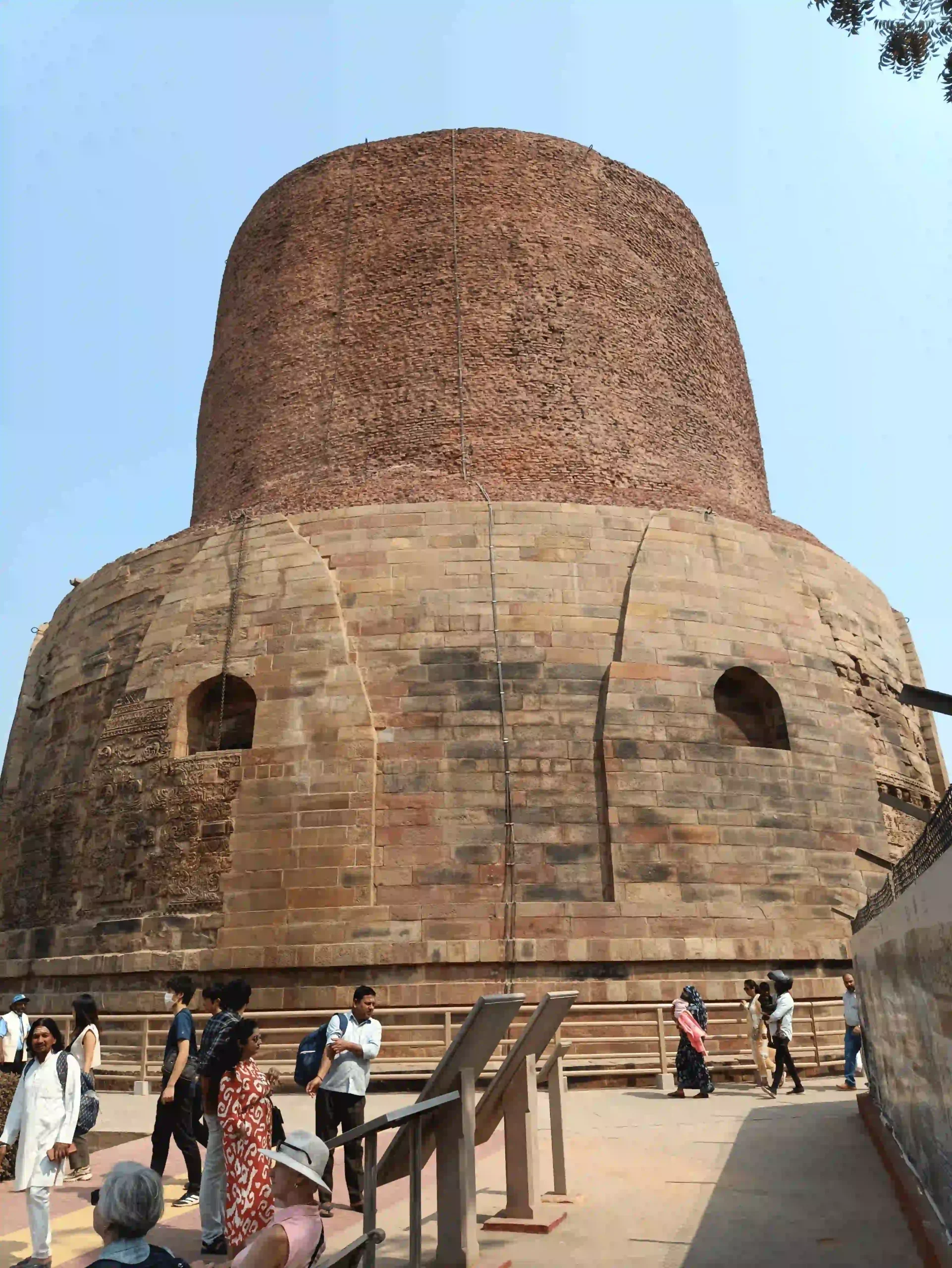
For us, the value of visiting Sarnath was not limited to seeing an old monument. It was an opportunity to connect a real place with a story of spiritual teaching that has travelled across countries and generations. The experience also offers a useful perspective on why Buddhist heritage matters far beyond the boundaries of India.
If you are planning a trip to Varanasi, consider giving Sarnath enough time rather than treating it as a quick stop between other attractions. Visitors who appreciate history, architecture and religious traditions may find that the visit adds another dimension to their understanding of the region.
Why Sarnath Matters to Buddhists
According to Buddhist tradition, the Buddha delivered his first sermon at Sarnath after attaining enlightenment. This event is closely associated with the beginning of his teaching mission and the formation of the early Buddhist community.
Over the centuries, Sarnath developed into an important centre of Buddhist learning and pilgrimage. Its archaeological remains include stupas, monasteries and other structures that reflect different periods of its history.
In July 2026, the Ancient Buddhist Site of Sarnath was inscribed on the UNESCO World Heritage List. The recognition highlights its outstanding cultural significance and its importance to Buddhist communities around the world.
For authoritative information, see the UNESCO World Heritage Centre’s Sarnath entry and the Varanasi district administration’s Sarnath guide.
You can also use Google Maps to locate Dhamek Stupa and plan your route from your accommodation.
Angkor Wat: Cambodia’s Hindu and Buddhist Heritage
Angkor Wat is one of Cambodia’s most celebrated historic monuments. It was built in the early 12th century under King Suryavarman II and was originally dedicated to the Hindu god Vishnu. Its design reflects Khmer architectural achievement and Hindu cosmological ideas, including the symbolic association of the temple with Mount Meru.
Over time, Angkor Wat also became an important Buddhist religious site. This change reflects the wider development of religious traditions in Cambodia rather than a simple replacement of one history by another.
The temple complex is known for its monumental scale, galleries, towers and detailed stone bas-reliefs. Its architecture belongs to the distinctive Khmer tradition, shaped by local artistic and political history as well as wider South and Southeast Asian religious influences.
For verified historical background, consult the Cambodian APSARA National Authority’s Angkor Wat guide or Angkor Enterprise’s official information.
What Is the Historical Connection Between Varanasi and Cambodia?
The most responsible way to understand the connection is through the broader movement of religious ideas, texts, artistic traditions and cultural practices across Asia. Hinduism and Buddhism both influenced societies beyond the Indian subcontinent, and Cambodia developed its own distinctive expressions of these traditions.
1. Hindu traditions and the Khmer world
Hindu deities, Sanskrit inscriptions and Indian religious ideas formed part of the cultural world of historic Southeast Asia. Cambodia’s temples show how Khmer rulers and artisans adapted these traditions to local beliefs, politics and artistic styles.
2. Buddhism and international pilgrimage
Sarnath is one of the principal places associated with the Buddha’s life and teaching. It remains important to Buddhist pilgrims from different countries, including countries in Southeast Asia. This wider pilgrimage tradition provides a meaningful cultural context for discussing India and Cambodia.
3. Shared heritage does not mean identical history
Angkor Wat and Sarnath have different histories, purposes and architectural forms. The evidence supports discussing their places within the broader Hindu and Buddhist worlds, but it does not automatically establish that Angkor Wat was designed from Varanasi’s architecture or that a particular feature of Khmer art originated at Sarnath.
Planning a Visit to Varanasi and Sarnath
If you want to explore this heritage in person, Varanasi is a practical base for visiting Sarnath. The district administration describes Sarnath as approximately 10 kilometres northeast of Varanasi; the actual travel time depends on your starting point, traffic and route.
Before setting out, check the location and route using Google Maps directions from Varanasi to Dhamek Stupa. Check current opening hours and ticket information before travelling, as visitor arrangements can change.
Travelling from Cambodia to Varanasi
Travellers coming from Cambodia should check current flight routes, transit requirements and visa rules before making plans. Flight availability can vary by departure city, travel date and airline, so do not assume that a direct flight will be available.
For Indian visa information, use the official Indian Visa Online portal. For flights, compare the available routes for your intended dates and confirm the itinerary with the airline before booking.
Getting around Varanasi
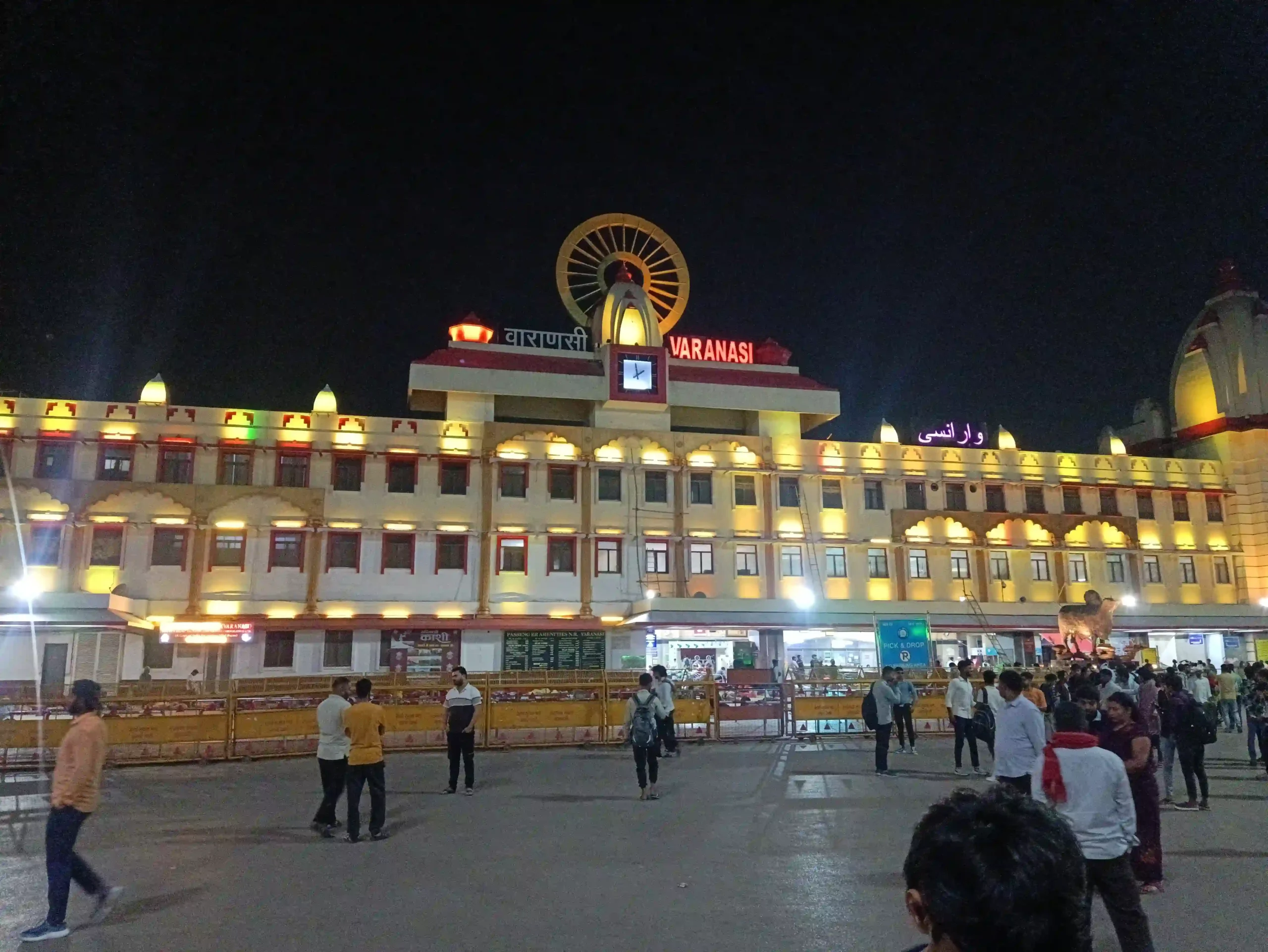
Varanasi has railway connections with many Indian cities, and local transport options can help visitors reach Sarnath. If you are arriving by train, confirm your station and onward transport in advance. You can check train schedules and booking information through the official IRCTC website.
Where to stay in Varanasi
Your best area to stay depends on your itinerary. Travellers focused on temple visits, the ghats, railway access or a quieter stay may prefer different locations. Review the location and transport options before choosing a hotel.
For more accommodation guidance, read our Best Hotels in Kashi Varanasi guide. You may also find our guide to Varanasi hotels with a Ganga view useful when planning your stay.
Practical Travel Tips for Visiting Sarnath
- Allow enough time: Avoid squeezing the entire visit into a rushed stop. Give yourself time to explore the archaeological area at a comfortable pace.
- Check tickets and opening hours: Confirm the latest visitor information before leaving your hotel.
- Wear comfortable footwear: You may need to walk between different parts of the site.
- Respect the setting: Follow local instructions and be considerate of visitors who come for religious or reflective reasons.
- Check local conditions: Heat, rain, traffic and seasonal visitor numbers can affect the experience.
- Keep travel details handy: Save your accommodation address and return transport details on your phone.
- For international visitors: Check visa requirements and travel connections using official sources before departure.
For more ideas about local food and the city’s everyday culture, explore our guide to the taste of Varanasi. If you have more questions about planning your trip, our Varanasi travel questions guide may also help.
Frequently Asked Questions
1. What is the connection between Varanasi and Cambodia?
They can be connected through the wider history of Hinduism and Buddhism in Asia. Sarnath near Varanasi is associated with the Buddha’s first sermon, while Cambodia preserves important Hindu and Buddhist heritage, including Angkor Wat.
2. Is Angkor Wat directly connected to Varanasi?
A direct historical connection between Angkor Wat and Varanasi should not be assumed without reliable evidence. Angkor Wat was built in the Khmer Empire and originally dedicated to Vishnu. Its history reflects Khmer architecture and wider Hindu and Buddhist traditions.
3. Why is Sarnath important to Buddhists?
Sarnath is traditionally identified as the place where the Buddha delivered his first sermon after attaining enlightenment. It became an important centre of Buddhist learning and pilgrimage and was inscribed on the UNESCO World Heritage List in July 2026.
4. Where is Dhamek Stupa located?
Dhamek Stupa is at the archaeological site of Sarnath near Varanasi in Uttar Pradesh, India. Check the location and route using Google Maps.
5. Can international visitors travel from Cambodia to Varanasi?
Yes, international visitors can plan a trip to Varanasi, subject to current flight availability, transit arrangements and Indian visa requirements. Check the official Indian visa portal and confirm flight details before booking.
6. How far is Sarnath from Varanasi?
Sarnath is approximately 10 kilometres northeast of Varanasi, according to the district administration. Actual travel distance and time depend on your starting point and route.
7. Is Sarnath worth visiting during a Varanasi trip?
If you are interested in Buddhist history, archaeology and India’s wider spiritual heritage, Sarnath is a worthwhile addition to a Varanasi itinerary. Allow enough time to explore rather than treating it as only a photo stop.
Share Your Feedback
Was this guide helpful for planning your visit or understanding the historical connection?
Your feedback can help us improve future travel guides.
This simple rating control displays a local confirmation only; it does not save ratings to a database or publish an aggregate score.
Final Thoughts
Varanasi, Sarnath and Cambodia offer different windows into the religious and cultural history of Asia. Sarnath brings visitors close to the Buddhist tradition associated with the Buddha’s first sermon, while Angkor Wat demonstrates the scale and creativity of Khmer temple architecture and the long history of Hindu and Buddhist worship in Cambodia.
Our morning visit to Sarnath, including buying tickets at the ticket window and seeing Dhamek Stupa in person, made the site’s history feel more immediate. For travellers interested in understanding the region beyond its best-known temples and ghats, Sarnath is a meaningful place to include in a Varanasi itinerary.
Planning your stay in advance can make the journey easier. Explore our practical Varanasi hotel guide to find accommodation that suits your travel plans.