
For the global traveler and history buff, the connection between Varanasi and China is one of the oldest and most documented intellectual exchanges in human history. This “Classic Global” bond dates back over 1,400 years to the famous Chinese monk Huen Tsang (Xuanzang), who traveled thousands of miles to reach the sacred soil of Varanasi and Sarnath. Today, Varanasi stands as a “Global Hub” for Chinese pilgrims and scholars who come to witness the cradle of Buddhist philosophy, making the city a vital link in the ancient Silk Road of knowledge
Huen Tsang’s Chronicles: A Chinese Map of Varanasi
The connection between Varanasi and China is preserved in the detailed travelogues written by Huen Tsang during the 7th century. His writings provided the world with the most accurate historical descriptions of Varanasi’s majestic temples and the flourishing monastic life at Sarnath. For an international tourist visiting Varanasi, following the “Huen Tsang Trail” offers a fascinating look at the city through the eyes of an ancient Chinese explorer. This historical documentation has made Varanasi a “Global Brand” of spiritual education, attracting thousands of Chinese visitors who seek to connect with their ancestral religious roots.
This scholarly bridge has positioned Varanasi as a primary destination for the Chinese Buddhist community. From the archaeological wonders of the Sarnath Museum to the tranquil Chinese Temple built by modern devotees, the influence of this cross-border exchange is everywhere. For a foreigner, exploring the excavations where Huen Tsang once studied is a deeply immersive experience, proving that the spiritual vibrations of Varanasi have been a guiding light for Chinese civilization for over a millennium.
Sarnath: The Living Bridge to the Middle Kingdom
The dialogue between Varanasi and China is physically embodied in the Chinese Buddhist Temple in Sarnath. Built in the traditional architectural style of the Middle Kingdom, this temple serves as a peaceful sanctuary for pilgrims from mainland China, Taiwan, and the global Chinese diaspora. For global researchers, Varanasi is the essential site to understand the spread of Mahayana Buddhism from the Indian plains to the heart of East Asia. The presence of Chinese inscriptions and traditional art within the sacred landscape of Varanasi reflects the enduring nature of this international bond.
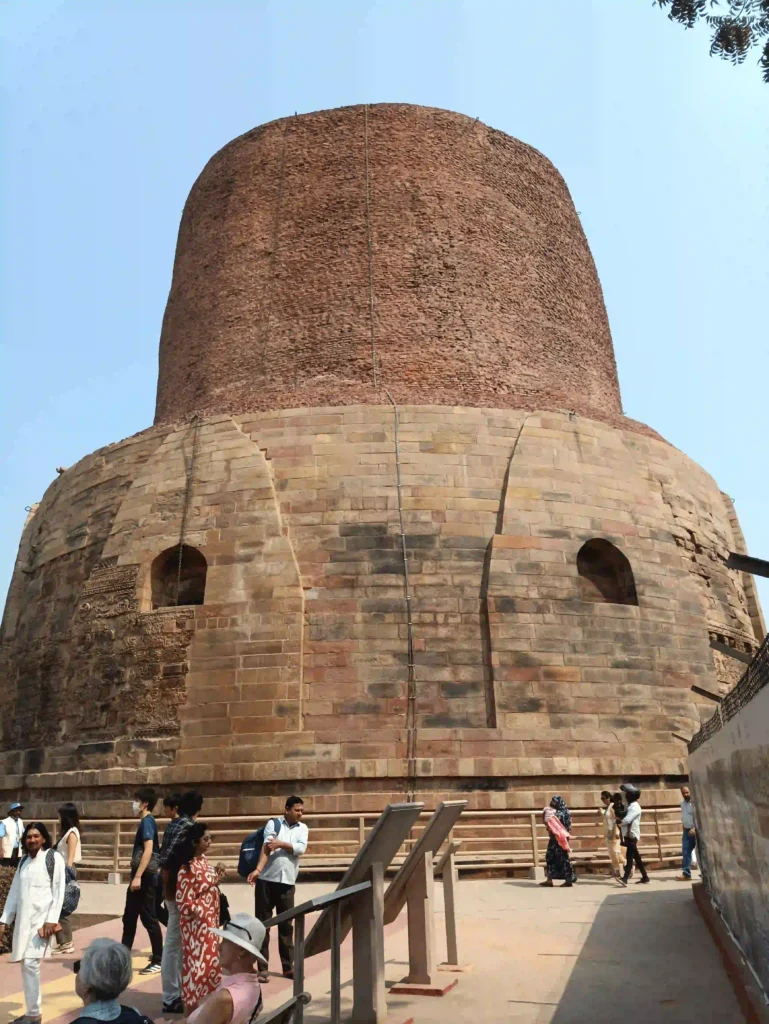
As Varanasi emerges as a premier global cultural capital, it offers a welcoming atmosphere for Chinese travelers who value both historical depth and spiritual serenity. Walking through the Dhamekh Stupa and witnessing the same landscapes described in ancient Chinese texts is a journey of great significance for any traveler from Beijing, Shanghai, or Guangzhou. This connection reinforces Varanasi’s status as a universal sanctuary, where the ancient chants of the Buddhist sutras provide a timeless bridge between the Himalayan peaks and the sacred banks of the Ganges.
Planning Your Historical Journey from China to Varanasi
Traveling from the Far East to the world’s oldest center of wisdom is a professional and well-connected experience:
- Flight Connectivity: Most travelers from China (PEK, PVG, or CAN) fly into New Delhi (DEL) and take a short domestic flight to the Lal Bahadur Shastri International Airport in Varanasi. For the most efficient international transit routes and real-time flight updates, we recommend using Google Flights.
- Premium Train Connectivity: From the capital city of Delhi, the Vande Bharat Express offers a high-speed and luxury travel experience to Varanasi Junction. It is a professional necessity to book your tickets 60 days (2 months) in advance through the Official IRCTC Website to secure your seat during the peak travel season.
- Local Transport & Navigation: Upon arrival, private Taxis are the preferred mode for international guests to reach Sarnath and the riverfront comfortably. For a more traditional and sustainable way to navigate the bustling city centers, eco-friendly E-rickshaws are widely available and provide a charming perspective of Varanasi’s vibrant street life.
Global Traveler’s Pro-Tip
When exploring Sarnath, ensure you visit the Chinese Buddhist Temple, which is one of the oldest foreign temples in the area. You will notice the intricate blend of Chinese aesthetics and Indian spiritual themes. Also, spend time at the Sarnath Museum to see the artifacts from the era of Huen Tsang; the museum provides context to the descriptions found in his ancient travel diaries. Visiting during the Buddha Purnima festival offers a firsthand look at the “Global Hub” in action, as pilgrims from China and across Asia gather in Varanasi for prayer and celebration.
Heritage Exploration Highlights
- Must-Visit Places: [Sarnath Chinese Temple], [Dhamekh Stupa], [Varanasi Ghats], [Sarnath Museum]
- Temples of Kashi, India: Varanasi, Banaras
- Premium Stays: [Taj Ganges], [BrijRama Palace], [Radisson Hotel Varanasi]
- Best Hotels in Kashi Varanasi
- Varanasi stay guide
- Shared Flavors: [Saffron-infused tea], [Traditional Satvik Thali], [Indo-Chinese Heritage Snacks]
- Varanasi Food Guide
Disclaimer: International visitors are advised to verify current visa regulations for India and check for any local cultural or religious festival updates through official tourism portals before starting their journey.
Have More Questions? Explore Our Complete Varanasi FAQ
Planning a trip to Varanasi often comes with many questions. To help you find accurate and detailed answers, we have created a comprehensive Varanasi FAQ section covering 500+ frequently asked questions.
Whether you are looking for information about the Kashi Vishwanath Temple, Ganga Aarti, ghats, accommodation, transportation, local food, travel expenses, rituals, festivals, or sightseeing, our FAQ collection provides reliable and easy-to-understand answers to help you plan your journey with confidence.
👉 Explore the complete Varanasi FAQ for answers to over 500 travel-related questions.