
For travellers interested in ancestral heritage, spirituality, and cultural history, the connection between Varanasi and Suriname offers a meaningful way to explore the Indian diaspora. This connection is linked to the migration of Indian indentured labourers to Suriname during the nineteenth century and the preservation of Indian languages, religious traditions, music, and customs across generations.
Varanasi, also known as Kashi or Banaras, is an important centre of Hindu pilgrimage and North Indian cultural traditions. Although not every Indian migrant to Suriname came from Varanasi itself, the wider Bhojpuri-speaking regions of northern India share important linguistic and cultural connections with the heritage preserved by many Indo-Surinamese families.
This guide explores the historical background, language connections, important places to visit in Varanasi, and practical travel information for visitors interested in discovering this shared heritage.
Varanasi and Suriname: Quick Facts
| Key Information | Quick Overview |
|---|---|
| Main Topic | Historical and cultural connections between Varanasi and Suriname |
| Historical Milestone | Arrival of the first Indian indentured labourers aboard the Lalla Rookh in 1873 |
| Migration Period | Indian indentured migration to Suriname continued until 1916 |
| Language Heritage | Sarnami Hindustani and other languages associated with Indian-origin communities |
| Related Cultural Roots | Bhojpuri and other North Indian linguistic and cultural traditions |
| Main Destination | Varanasi, Uttar Pradesh, India |
| Important Heritage Sites | Dashashwamedh Ghat, Kashi Vishwanath Temple, Sarnath and Banaras Hindu University |
| Airport | Lal Bahadur Shastri International Airport (VNS) |
| Flight Planning | Compare flights on Google Flights |
| Train Reservations | Official IRCTC website |
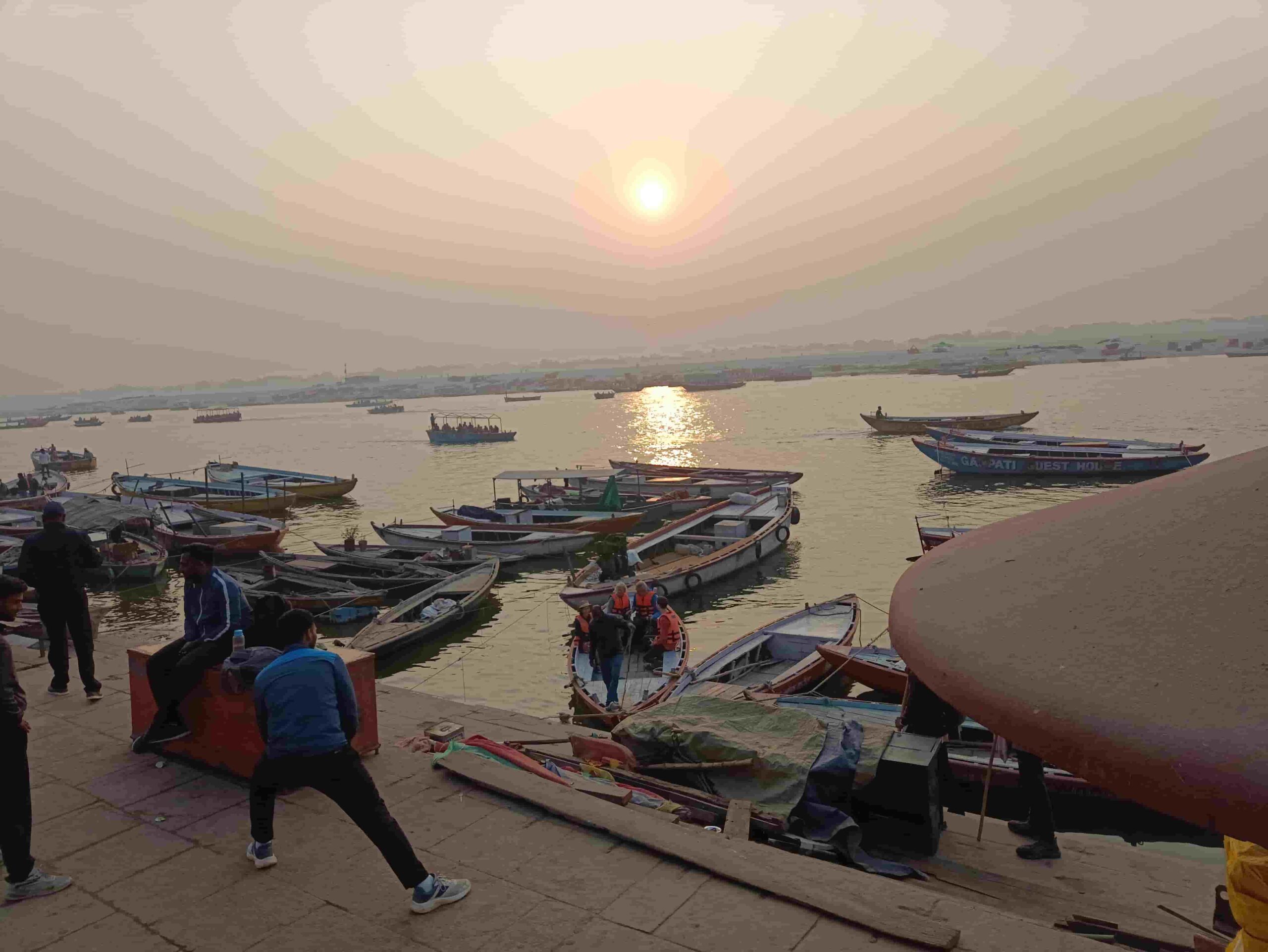
From Northern India to Suriname: A Historical Connection
The history of the Indian-origin community in Suriname is closely connected to the system of indentured labour introduced during the colonial period.
On 5 June 1873, the ship Lalla Rookh brought the first group of 399 Indian contract labourers from northern India to Suriname. Migration continued over the following decades, with approximately 34,000 Indian indentured labourers arriving by 1916, according to historical accounts.
These migrants came from different parts of northern India, including regions where Bhojpuri and related languages were spoken. Their experiences, family histories, and cultural practices helped shape the Indian-origin community that developed in Suriname.
The historical connection with Varanasi should therefore be understood within the broader cultural landscape of northern India rather than as a claim that all migrants originated in the city itself.
For additional historical background, consult the Surinaams Museum’s information on Hindostanen.
Language, Folk Music and the Bhojpuri Connection
Language is an important part of understanding the heritage of Suriname’s Indian-origin community.
Sarnami Hindustani developed among descendants of Indian migrants and preserves elements of the languages spoken by their ancestors, particularly Bhojpuri and related North Indian varieties. It remains an important part of cultural identity for many people of Indian descent in Suriname.
Sranan Tongo is a different language. It is an English-based creole language widely associated with Suriname’s broader linguistic landscape. It should not be treated as another name for Sarnami Hindustani.
Indian cultural traditions also survived through religious observances, family customs, music, food, and community gatherings. Bhojpuri folk traditions and devotional practices form part of the wider cultural heritage shared across sections of the Indian diaspora.
The precise traditions maintained by individual families can differ. Visitors interested in this history should explore documented research, community histories, museums, and cultural experiences rather than assuming that every family follows identical customs.
Exploring Ancestral Heritage in Varanasi
Varanasi offers several places where visitors can explore the religious, cultural, and historical traditions of northern India.
1. Dashashwamedh Ghat and the Evening Ganga Aarti
View Dashashwamedh Ghat on Google Maps
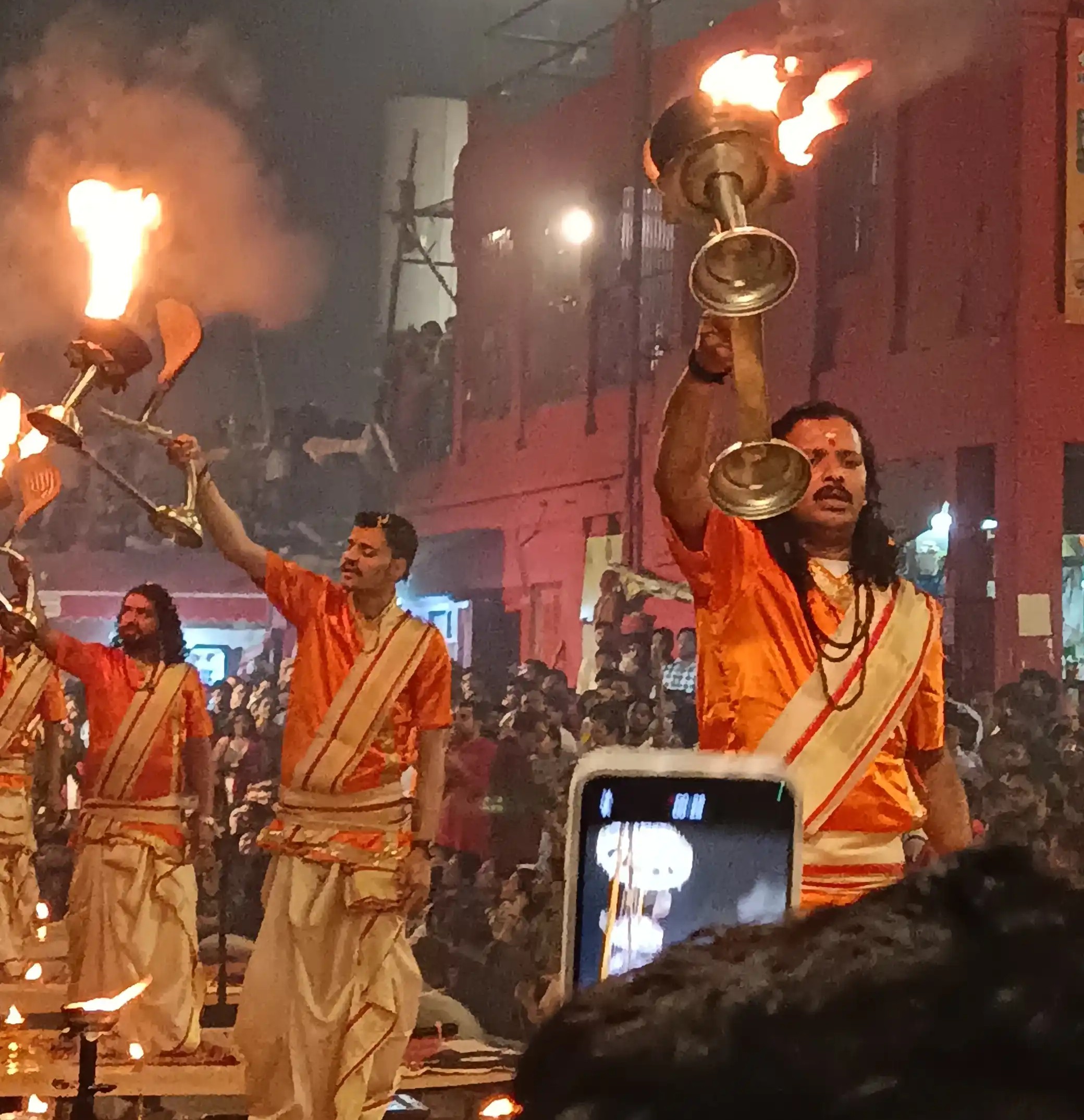
Dashashwamedh Ghat is one of Varanasi’s best-known riverfront locations. The evening Ganga Aarti attracts pilgrims and visitors who gather to witness a traditional devotional ceremony on the banks of the Ganges.
The ceremony’s exact timing can vary with the season and local arrangements. Check current information before planning your visit.
2. Shri Kashi Vishwanath Temple
View Shri Kashi Vishwanath Temple on Google Maps
Dedicated to Lord Shiva, Shri Kashi Vishwanath Temple is one of the most important Hindu pilgrimage destinations in Varanasi.
Visitors should check the temple’s official information for current darshan arrangements, entry requirements, and restrictions before travelling.
3. Sarnath Museum and Buddhist Heritage
View Sarnath Archaeological Museum on Google Maps
Located near Varanasi, Sarnath is associated with the Buddha’s first sermon after enlightenment. The archaeological site and museum offer a different perspective on the region’s religious and cultural history.
Check the current museum opening days, hours, ticketing arrangements, and photography rules before visiting.
4. Banaras Hindu University
View Banaras Hindu University on Google Maps
Banaras Hindu University is a major educational institution with an important place in modern Indian intellectual and cultural life. Visitors can explore publicly accessible areas while following campus rules and any applicable entry restrictions.
Planning Your Journey from Suriname to Varanasi
International visitors should compare flight connections, check current travel requirements, and allow enough time for transfers before beginning their journey.
Reaching Varanasi by Flight
The international journey from Suriname will generally involve connecting flights. Johan Adolf Pengel International Airport (PBM) serves Paramaribo, while Lal Bahadur Shastri International Airport (VNS) serves Varanasi.
Depending on the airline and travel date, itineraries may involve international transit hubs and a further connection within India. Routes, prices, baggage allowances, transit requirements, and journey times can change.
Use Google Flights to compare available itineraries from Paramaribo to Varanasi. Check the airline’s booking conditions before purchasing a ticket, especially if your journey involves separate tickets or airport changes.
View Lal Bahadur Shastri International Airport on Google Maps
Reaching Varanasi by Train
Travellers who arrive in New Delhi or another major Indian city may consider a train journey to Varanasi, depending on their itinerary.
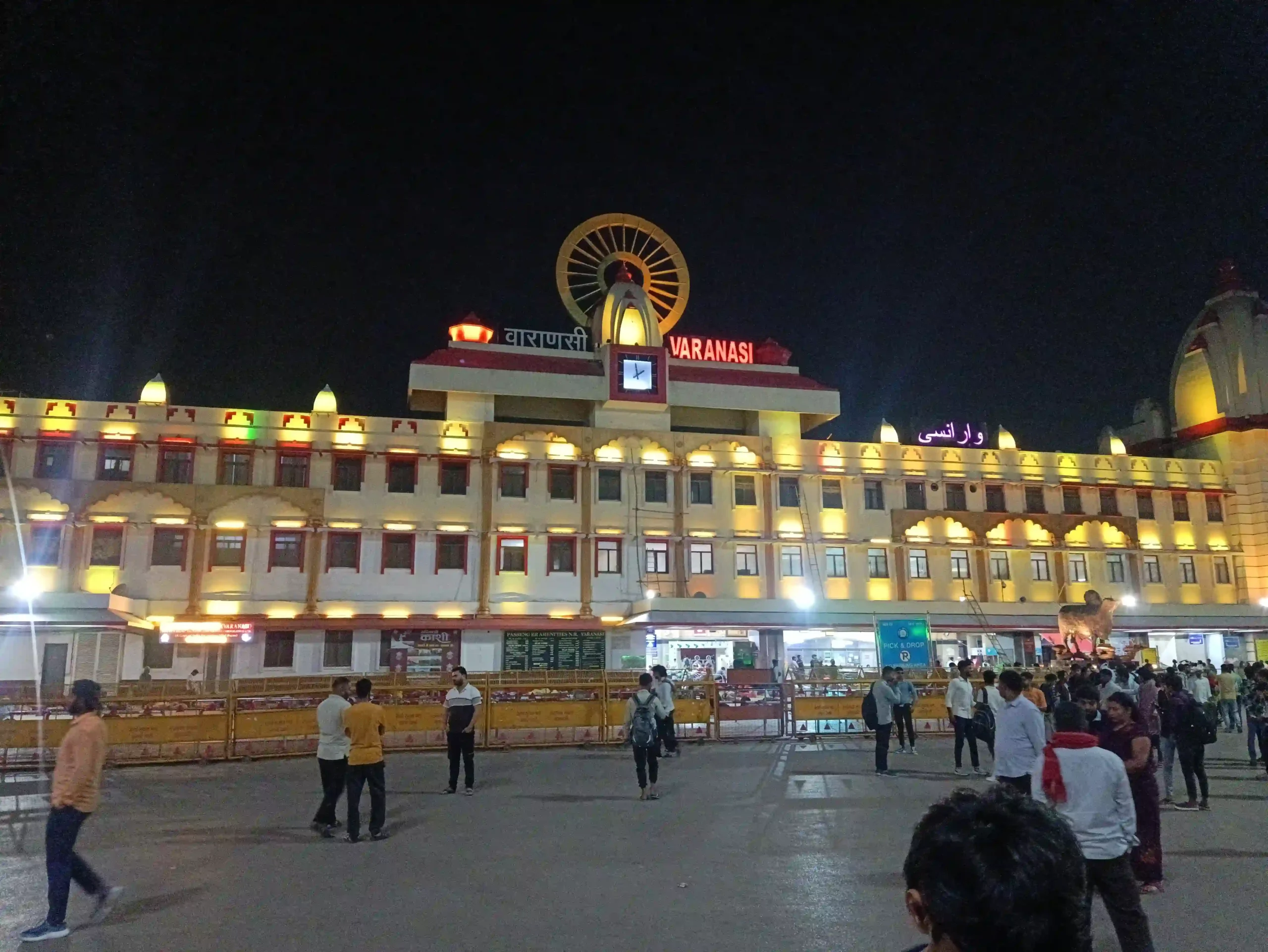
The Vande Bharat Express is one possible option on selected routes. Train services, departure stations, schedules, classes, and availability should be checked for the intended travel date.
Book through the official IRCTC website.
For most ordinary train reservations, the general advance reservation period is 60 days, excluding the date of journey. Certain services and booking categories may have different rules. Foreign tourists may also have access to a separate booking quota with different conditions, subject to eligibility.
Check the current rules before planning around a specific booking date. The 60-day reservation period does not mean every traveller must book exactly 60 days in advance.
Local Transport in Varanasi
After arriving at the airport or railway station, visitors can consider prepaid taxis, app-based cabs, or other suitable local transport.
E-rickshaws and auto-rickshaws can be convenient for shorter journeys, although access to some narrow lanes and temple areas may be restricted. Confirm the final drop-off point and fare before starting the journey.
If you need assistance with city routes, ask your hotel to recommend a reputable local guide with suitable language skills and experience.
Where to Stay in Varanasi
The right accommodation depends on your budget, preferred location, mobility needs, and the kind of experience you want.
Heritage and Premium Stays
Visitors looking for a heritage or premium experience can explore these properties:
- BrijRama Palace — location on Google Maps
- Taj Ganges, Varanasi — location on Google Maps
- Radisson Hotel Varanasi — location on Google Maps
These properties offer different settings and amenities. Compare the location, room type, cancellation conditions, and total price before making a reservation.
Budget-Friendly Accommodation
Travellers seeking a more economical stay can explore guesthouses, bed-and-breakfast properties, and budget hotels.
Read our Varanasi Stay Guide: Top 5 Best Budget-Friendly Hotels for a Comfortable Stay to explore additional accommodation options.
You can also browse our Varanasi Stay Guide for more accommodation-related information.
Hotel prices, facilities, and availability vary by date. Verify all details with the property or booking provider before confirming your stay.
Travel Tips for Visitors from Suriname
- Research the heritage: Read historical and community-based sources to understand the relationship between northern India and Suriname.
- Respect religious customs: Dress appropriately at temples and follow local instructions at sacred sites.
- Plan around crowds: Major ghats and temples can become busy during festivals and peak pilgrimage periods.
- Check opening hours: Museums, temples, and other attractions may have different schedules or access restrictions.
- Arrange transport carefully: Confirm fares, pickup points, and travel times, particularly when travelling with luggage.
- Enjoy cultural experiences respectfully: Ask before photographing or recording people during local music or devotional performances.
Frequently Asked Questions
1. What is the historical connection between Varanasi and Suriname?
The connection is part of the wider history of Indian migration to Suriname during the nineteenth century. Many migrants came from northern India, including Bhojpuri-speaking regions. Their descendants preserved and developed cultural traditions that remain important to Indo-Surinamese identity. However, it would be inaccurate to say that all Indian migrants to Suriname came from Varanasi city.
2. Are Sranan Tongo and Sarnami Hindustani the same language?
No. Sranan Tongo is an English-based creole language, while Sarnami Hindustani developed among Suriname’s Indian-origin community and has strong Bhojpuri and related North Indian linguistic roots.
3. Are there direct flights from Paramaribo to Varanasi?
Flight availability depends on the travel date and airline schedules. Travellers should compare connecting itineraries using Google Flights and confirm transit requirements with the relevant airlines before booking.
4. How can I book train tickets to Varanasi?
Train tickets can be checked and booked through the official IRCTC website. The general advance reservation period for most ordinary bookings is 60 days, excluding the journey date, but exceptions and separate booking arrangements may apply.
5. Which places should I visit in Varanasi to explore its cultural heritage?
Dashashwamedh Ghat, Shri Kashi Vishwanath Temple, Sarnath, and Banaras Hindu University are useful starting points. Your itinerary can be adjusted according to your interests, available time, and current opening arrangements.
6. Can international visitors attend the Ganga Aarti?
Visitors can generally attend the public Ganga Aarti at Dashashwamedh Ghat, subject to local arrangements and crowd management. Arrive early during busy periods and follow instructions from local authorities and organisers.
7. How far is Sarnath from Varanasi?
Sarnath is located several kilometres from central Varanasi. The actual journey time depends on your starting point, traffic, and transport choice. Check the route on Google Maps before travelling.
8. Where should I stay in Varanasi?
Visitors can choose from heritage hotels, premium properties, guesthouses, and budget hotels. Consider your budget, preferred neighbourhood, accessibility needs, and proximity to the places you plan to visit. Our Varanasi budget hotel guide provides additional options.
Explore More on BookAyodhyaKashi
Discover more about Varanasi, its cultural traditions, and connections with the Indian diaspora through these related guides:
- Varanasi: 500 Questions and Answers Guide
- Varanasi and Mauritius: The Spiritual Soul of Ganga Talao and Ancestral Roots
- Varanasi Stay Guide
Travel Disclaimer
Historical figures are approximate and should be understood in the context of the available historical sources. Flight routes, train schedules, advance reservation rules, hotel rates, temple arrangements, and attraction opening hours can change. Always check official sources and current travel information before making reservations or finalising your itinerary.