
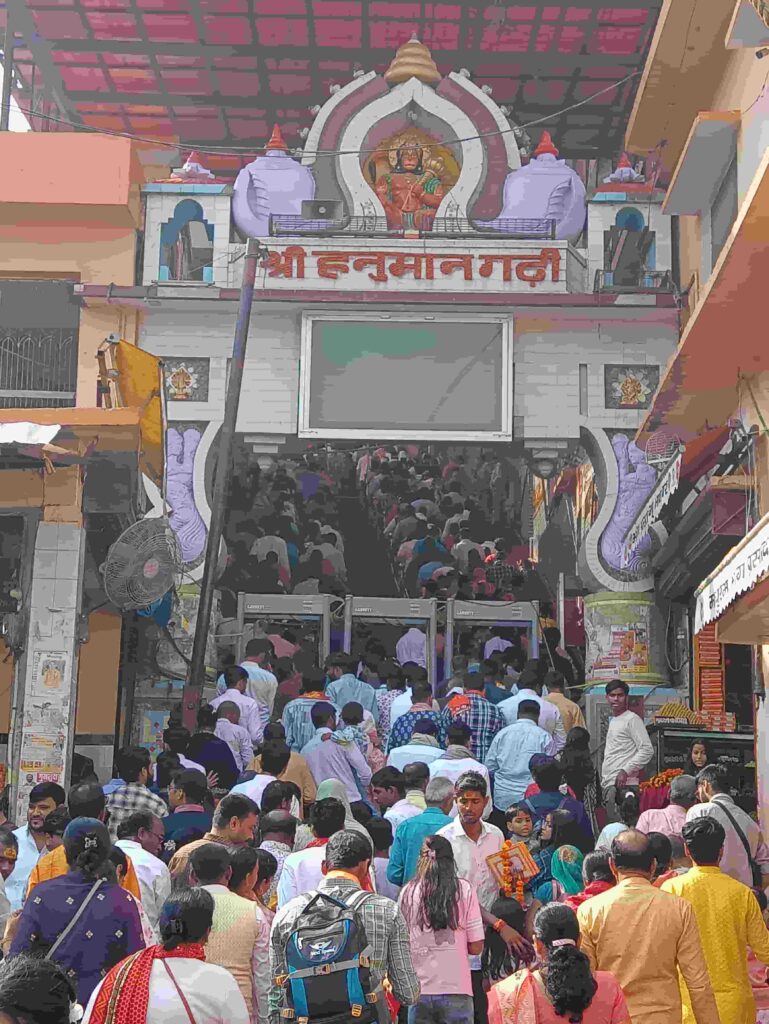
Hanuman Garhi is one of the most sacred temples in Ayodhya and an essential stop for devotees visiting Shri Ram Janmabhoomi Temple. Dedicated to Lord Hanuman, this centuries-old temple sits atop a small hill and welcomes millions of pilgrims every year. According to local belief, Lord Hanuman continues to guard Ayodhya from this very place, making the temple a symbol of devotion, protection, and unwavering faith.
Whether you are visiting Ayodhya for the first time or planning a spiritual pilgrimage, this guide covers everything you need to know—from darshan timings and aarti schedules to temple history, entry details, and practical travel tips. If you are also planning to visit Shri Ram Janmabhoomi Temple, Kanak Bhawan, or Ram Ki Paidi, this guide will help you organize your itinerary efficiently.
Hanuman Garhi at a Glance
| Information | Details |
|---|---|
| Location | Ayodhya, Uttar Pradesh, India |
| Dedicated To | Lord Hanuman |
| Temple Type | Hindu Temple |
| Entry Fee | Free |
| Darshan Timings | Open daily (Timings may vary on festivals) |
| Best Time to Visit | October to March |
| Famous For | Lord Hanuman, 76 Steps, Spiritual Significance |
| Nearby Landmark | Shri Ram Janmabhoomi Temple |
Why Visit Hanuman Garhi?
Hanuman Garhi is regarded as one of the holiest temples in Ayodhya. It is believed that devotees should seek Lord Hanuman’s blessings before visiting Shri Ram Janmabhoomi Temple. This tradition has been followed for generations and continues to be an important part of the Ayodhya pilgrimage.
Apart from its religious significance, the temple offers a peaceful spiritual atmosphere and panoramic views of the surrounding city. During major Hindu festivals, especially Hanuman Jayanti, Ram Navami, and Diwali, the temple attracts an enormous number of devotees from across India and abroad.
History of Hanuman Garhi
The origins of Hanuman Garhi are closely connected with the spiritual traditions of Ayodhya. According to historical accounts, the present temple structure was developed under the guidance of saints belonging to the Ramanandi tradition and has remained one of the city’s most revered religious sites for centuries.
Local traditions believe that Lord Hanuman chose this hilltop to protect Ayodhya after Lord Rama’s return from exile. Over time, Hanuman Garhi evolved into one of the most visited temples in the city, attracting saints, pilgrims, and spiritual seekers throughout the year.
Religious Significance
Hanuman Garhi is not just another temple—it represents devotion, courage, and selfless service. Devotees believe that praying here removes obstacles, grants strength, and brings peace of mind. Many pilgrims begin their Ayodhya pilgrimage at Hanuman Garhi before visiting Shri Ram Janmabhoomi, considering it an important spiritual tradition.
The temple also plays a significant role during major Hindu festivals. Thousands of devotees gather here to participate in prayers, special rituals, and celebrations dedicated to Lord Hanuman.
Hanuman Garhi Darshan Timings
Hanuman Garhi is generally open every day throughout the year. The temple welcomes thousands of devotees daily, although timings may vary slightly during festivals and special religious occasions.
| Darshan | Timings* |
|---|---|
| Morning | 5:00 AM – 12:00 PM |
| Evening | 4:00 PM – 10:00 PM |
Note: Temple timings may change during Ram Navami, Hanuman Jayanti, Diwali, and other major festivals. Visitors are advised to verify the latest schedule before planning their visit.
Hanuman Garhi Aarti Timings
Participating in the temple’s aarti is one of the most spiritually enriching experiences in Ayodhya. The devotional atmosphere, rhythmic chanting, and temple bells create a memorable experience for visitors.
| Aarti | Approximate Time* |
|---|---|
| Morning Aarti | Around 5:30 AM |
| Evening Aarti | Around 7:00 PM |
During festival seasons, additional prayers and special rituals may be organized by the temple administration.
Entry Fee
There is no entry fee to visit Hanuman Garhi Temple. Devotees are welcome to offer voluntary donations, purchase prasad from nearby shops, or contribute to temple services according to their wishes.
Since entry is free, visitors are encouraged to arrive early in the morning, especially during weekends and festivals, to avoid long queues and enjoy a peaceful darshan experience.
Best Time to Visit Hanuman Garhi
The ideal time to visit Hanuman Garhi is between October and March, when the weather in Ayodhya remains pleasant for sightseeing and temple visits. Early mornings are generally less crowded and offer a calm spiritual atmosphere.
If you plan to visit during Ram Navami, Hanuman Jayanti, or Diwali, expect significantly larger crowds. While these festivals provide a vibrant cultural experience, arriving early and planning your schedule in advance is highly recommended.
How to Reach Hanuman Garhi
Hanuman Garhi is located in the heart of Ayodhya and is easily accessible from all major transportation hubs. The temple is well connected by road, rail, and air, making it convenient for pilgrims from across India and international visitors.
- From Ayodhya Dham Junction: Approximately 2–3 km (10–15 minutes by auto or taxi).
- From Maharishi Valmiki International Airport, Ayodhya: Approximately 10–12 km (25–35 minutes by taxi).
- From Shri Ram Janmabhoomi Temple: Around 800 meters to 1 km, about a 10–15 minute walk through Ayodhya’s traditional streets.
If you’re planning a complete pilgrimage, don’t miss our Ayodhya Travel Guide, which includes transportation tips, local travel advice, and suggested itineraries.
The Famous 76 Steps
One of the most distinctive features of Hanuman Garhi is the 76-step staircase leading to the temple. Pilgrims climb these steps while chanting “Jai Shri Ram” and “Jai Bajrang Bali,” creating an atmosphere filled with devotion and spiritual energy.
At the top, visitors are welcomed by the temple complex, where the main shrine houses a revered idol of Lord Hanuman. The elevated location also offers beautiful views of parts of Ayodhya, making the climb a rewarding experience for both devotees and travelers.
Temple Architecture
Hanuman Garhi is built in a traditional North Indian temple style with a fortress-like appearance. The entrance is grand, and the temple complex features courtyards, shrines, and beautifully decorated structures that reflect centuries of religious heritage.
Inside the sanctum, devotees worship the sacred idol of Lord Hanuman, which is one of the main reasons millions of pilgrims visit the temple every year. The peaceful surroundings and devotional atmosphere make it an ideal place for prayer and meditation.
Festivals Celebrated at Hanuman Garhi
Hanuman Garhi becomes especially vibrant during major Hindu festivals. Thousands of devotees gather to participate in special prayers, aartis, and religious processions.
The most significant festivals celebrated here include:
- Hanuman Jayanti
- Ram Navami
- Diwali
- Dussehra
- Makar Sankranti
If you’re planning your trip around these festivals, consider booking your accommodation well in advance, as Ayodhya experiences a significant increase in visitors.
Rules and Dress Code
Visitors are encouraged to dress modestly and respect the temple’s religious traditions. Comfortable clothing and footwear are recommended, especially since you’ll need to climb the temple steps.
Before entering the temple:
- Remove your footwear at the designated area.
- Maintain silence and respect during prayers.
- Follow instructions given by temple staff.
- Avoid carrying unnecessary luggage inside the temple.
Photography Guidelines
Photography is generally allowed in certain outer areas of the temple complex, but restrictions may apply inside the sanctum and during religious ceremonies. Always respect temple rules and avoid disturbing devotees while taking photographs.
For the latest photography regulations, follow the instructions displayed at the temple or provided by the temple authorities.
Nearby Places to Visit
A visit to Hanuman Garhi can easily be combined with several other important attractions in Ayodhya.
- Shri Ram Janmabhoomi Temple
- Kanak Bhawan
- Dashrath Mahal
- Ram Ki Paidi
- Nageshwarnath Temple
- Saryu River Ghats
Exploring these sites together provides a deeper understanding of Ayodhya’s rich spiritual and cultural heritage.
Where to Stay Near Hanuman Garhi
Ayodhya offers a wide range of accommodation options, including budget guest houses, dharamshalas, mid-range hotels, and premium stays. Many hotels are located within a short distance of Hanuman Garhi and Shri Ram Janmabhoomi Temple.
If you’re unsure where to stay, check out our Best Hotels in Ayodhya guide for recommendations based on budget, location, and family-friendly facilities.
Local Food to Try
No visit to Ayodhya is complete without experiencing its traditional vegetarian cuisine. Near Hanuman Garhi, you’ll find numerous local eateries serving authentic North Indian dishes and popular street food.
Some local favorites include:
- Kachori Sabzi
- Aloo Puri
- Bedai
- Jalebi
- Rabri
- Lassi
Choose clean and hygienic restaurants, especially during peak pilgrimage seasons.
Travel Tips
- Visit early in the morning for a peaceful darshan.
- Carry drinking water during summer months.
- Wear comfortable footwear for walking.
- Keep cash for prasad and small purchases.
- Respect local customs and religious sentiments.
- Plan your visit to Shri Ram Janmabhoomi, Kanak Bhawan, and Ram Ki Paidi on the same day to save time.
Frequently Asked Questions (FAQs)
Is Hanuman Garhi worth visiting?
Yes. It is one of Ayodhya’s most important temples and an essential stop for devotees visiting Shri Ram Janmabhoomi.
What are the Hanuman Garhi darshan timings?
The temple generally remains open from early morning until late evening, though timings may vary during festivals.
Is there any entry fee?
No. Entry to Hanuman Garhi Temple is completely free.
How many steps are there at Hanuman Garhi?
Visitors need to climb approximately 76 steps to reach the main temple.
Can foreigners visit Hanuman Garhi?
Yes. Visitors of all nationalities are welcome, provided they respect the temple’s customs and guidelines.
Which temple should I visit first in Ayodhya?
According to local tradition, many devotees visit Hanuman Garhi before seeking darshan at Shri Ram Janmabhoomi Temple.
Conclusion
Hanuman Garhi is much more than a historic temple—it’s one of the spiritual pillars of Ayodhya. Whether you’re visiting for religious reasons, cultural exploration, or simply to experience the city’s timeless atmosphere, the temple offers a memorable journey filled with faith and tradition.
To make the most of your Ayodhya trip, also explore Shri Ram Janmabhoomi Temple, Kanak Bhawan, Dashrath Mahal, Ram Ki Paidi, and Nageshwarnath Temple. Together, these sacred sites provide a complete and enriching pilgrimage experience.
Get Your Essential Travel Items Before You Go
Planning your Ayodhya journey? Check our recommended travel essentials to make your trip safe, comfortable, and hassle-free.
Check Here
Some links on this page are affiliate links. If you purchase through them, we may earn a small commission at no extra cost to you.
Disclaimer
The information provided in this guide is for general travel and informational purposes only. Temple timings, aarti schedules, entry rules, photography policies, and visitor guidelines may change due to festivals, administrative decisions, or special events. We recommend verifying the latest information through official sources before planning your visit. While every effort has been made to ensure accuracy, Book Ayodhya Kashi cannot guarantee that all information will remain unchanged at all times.