
Varanasi and South Africa are connected through Mahatma Gandhi’s life and the history of Satyagraha. Gandhi’s experiences in South Africa helped shape his approach to non-violent resistance, while his 1916 speech at Banaras Hindu University and his inauguration of Bharat Mata Mandir in 1936 are important landmarks in understanding his legacy in Varanasi.
The historical connection between Varanasi and South Africa can be understood through the life of Mahatma Gandhi, the development of Satyagraha, and the wider history of the Indian community in South Africa. Gandhi’s experiences overseas influenced his political thinking, while his return to India brought him into public debates about inequality, national identity and social reform.
For international visitors and history enthusiasts, Varanasi offers several landmarks associated with modern Indian history alongside its much older religious and cultural traditions. The city is particularly relevant to Gandhi’s story because of his well-known speech at Banaras Hindu University in 1916 and his association with Bharat Mata Mandir.
1. Mahatma Gandhi: The Historical Connection Between South Africa and Varanasi
Mahatma Gandhi spent approximately two decades in South Africa, where he became involved in campaigns against racial discrimination and the unequal treatment of the Indian community. During this period, he developed and tested methods of organised protest that later became central to his philosophy of Satyagraha.
Gandhi returned to India in January 1915. In February 1916, he addressed an audience during the opening ceremonies associated with Banaras Hindu University. His speech criticised the contrast between the privileges enjoyed by sections of Indian society and the poverty experienced by ordinary people. It demonstrated his willingness to challenge influential audiences on questions of social responsibility and national progress.
These events provide a documented connection between Gandhi’s South African experiences and his growing public role in India. Varanasi was one important setting in his wider political journey, although his philosophy developed through several experiences, influences and movements rather than in one city alone.
Visitors interested in the city’s wider religious and cultural background can explore our Temples and Heritage of Kashi guide for additional context about Varanasi.
2. How South Africa Shaped Gandhi’s Satyagraha
Gandhi’s years in South Africa exposed him to discriminatory laws and restrictions affecting Indians. His response involved community organisation, public protest and resistance without violence. These campaigns helped him refine an approach that placed truth, discipline and non-violent action at the centre of political struggle.
Satyagraha is commonly understood as a method of resistance grounded in truth and moral courage. Gandhi applied and developed it through practical campaigns before using it on a much larger scale in India’s struggle for independence. His experiences in South Africa therefore form a crucial part of the history of modern non-violent resistance.
His ideas subsequently influenced movements and leaders around the world. The historical importance of this connection lies in the way experiences in one country contributed to a political method that became internationally recognised, rather than in any claim that every element of Gandhi’s philosophy originated in South Africa.
3. Gandhi’s Historic Speech at Banaras Hindu University
On 4 February 1916, Gandhi spoke during the opening ceremonies of Banaras Hindu University. His address is remembered for its criticism of the social and economic inequality visible in Indian society. He questioned the contrast between the wealth displayed by prominent people and the difficult conditions in which many ordinary Indians lived.
Gandhi also raised questions about education, public responsibility and the purpose of Indian nationalism. His remarks were significant because he challenged influential members of society at a prestigious public gathering rather than simply praising the occasion.
The speech became an important episode in his public life after returning from South Africa. For visitors interested in modern Indian history, BHU offers an opportunity to understand the educational and political setting in which these ideas were expressed. Visitors should check current campus access arrangements before planning a visit.
For practical accommodation information, see our Best Hotels in Kashi Varanasi guide before arranging your stay.
4. Bharat Mata Mandir: Gandhi’s Visit in 1936
Bharat Mata Mandir is one of Varanasi’s distinctive historical landmarks. Unlike a conventional temple centred on a particular deity, it is known for a large marble relief map of undivided India. The map represents the geographical landscape of the subcontinent, including its mountains, rivers and plains.
The temple was built by freedom fighter Babu Shiv Prasad Gupta and inaugurated by Mahatma Gandhi in 1936. Its design offers a different perspective on the relationship between national identity, geography and public life during the freedom movement.
For visitors exploring Gandhi’s legacy, the temple provides a useful complement to the history of his 1916 speech at BHU. Together, these landmarks help explain how questions of unity, social responsibility and national identity appeared in different public settings during his lifetime.
Before visiting, confirm current opening hours, access arrangements and any local restrictions through reliable local or official sources.
5. Indian Heritage and Cultural Exchange in South Africa
The Indian community in South Africa has a diverse history that includes indentured labourers, merchants and other migrants who arrived during different periods. Their descendants have contributed to the country’s social, cultural, economic and political life. Indian languages, religious traditions, food and community institutions continue to form part of South Africa’s multicultural society.
Gandhi’s early political campaigns in South Africa are an important part of the shared history between the two countries. His work there helped bring international attention to discrimination and established methods of organised resistance that later became associated with the Indian independence movement.
However, Indian South Africans have varied regional and family backgrounds. It would be inaccurate to claim that most of them trace their ancestry specifically to Varanasi without reliable genealogical evidence. The more firmly documented connection between Varanasi and South Africa is found in Gandhi’s life, the history of migration and the broader exchange of ideas between the two countries.
Understanding this wider context makes a visit to Varanasi more meaningful for travellers interested in history, cultural exchange and the global legacy of non-violent resistance.
6. Historical and Cultural Places to Explore in Varanasi
Bharat Mata Mandir
Bharat Mata Mandir is an important stop for visitors interested in modern Indian history. Its marble relief map and association with Gandhi’s 1936 inauguration make it different from many of the city’s traditional temples. Check opening hours and local access arrangements before visiting.
Banaras Hindu University
BHU is a major educational institution with an important place in modern Indian history. Gandhi’s speech during the university’s opening ceremonies on 4 February 1916 is a significant reason for including the campus in a historical itinerary. Because access to particular buildings and areas may vary, confirm visitor arrangements in advance.
Dashashwamedh Ghat
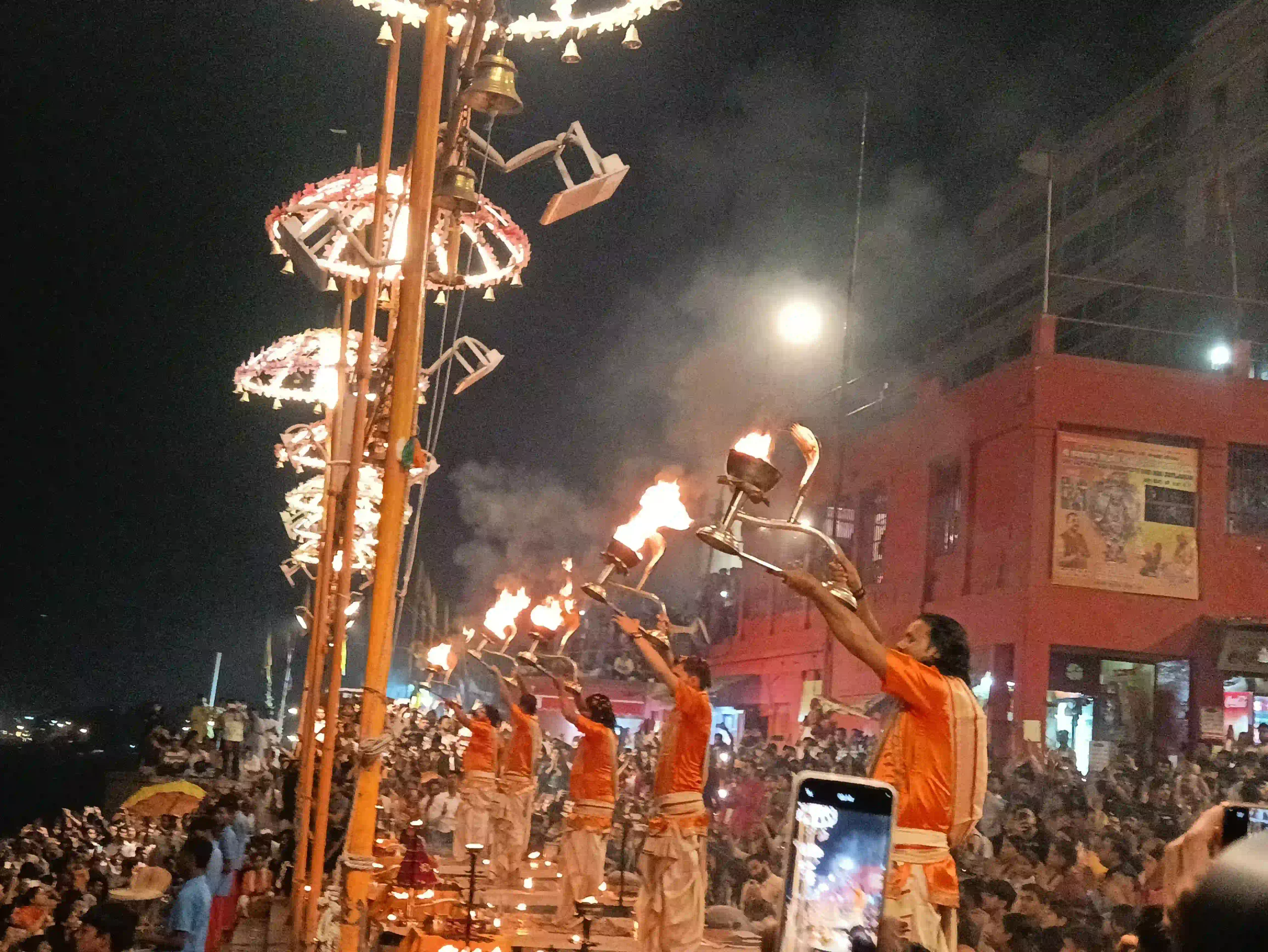
Dashashwamedh Ghat is one of Varanasi’s best-known riverfront locations and is associated with the evening Ganga Aarti. The ceremony reflects the city’s continuing religious and cultural life, although it is not itself a direct Gandhi memorial. Arrive early if you wish to find a suitable viewing place during busy periods.
Sarnath
Sarnath, located outside central Varanasi, is associated with the Buddha’s first sermon and the development of Buddhism. It offers a broader view of the region’s religious history and can be included in a separate half-day visit depending on your schedule and transport arrangements.
To explore the city through its regional cuisine, read our Varanasi Food Guide for information about local dishes and food traditions.
7. Planning a Journey from South Africa to Varanasi
Flights and International Connections
Travellers departing from South Africa may find connecting itineraries through international hubs and Indian gateway cities such as Delhi or Mumbai. Available routes, airlines, layover times and journey duration depend on the departure airport and travel dates. Compare current options through Google Flights and confirm baggage and transit requirements directly with the airline.
Before booking, check the latest Indian visa requirements for your passport and purpose of travel. Transit visa requirements may also apply depending on your route, nationality and whether you need to leave the international transit area.
Travelling by Train Within India
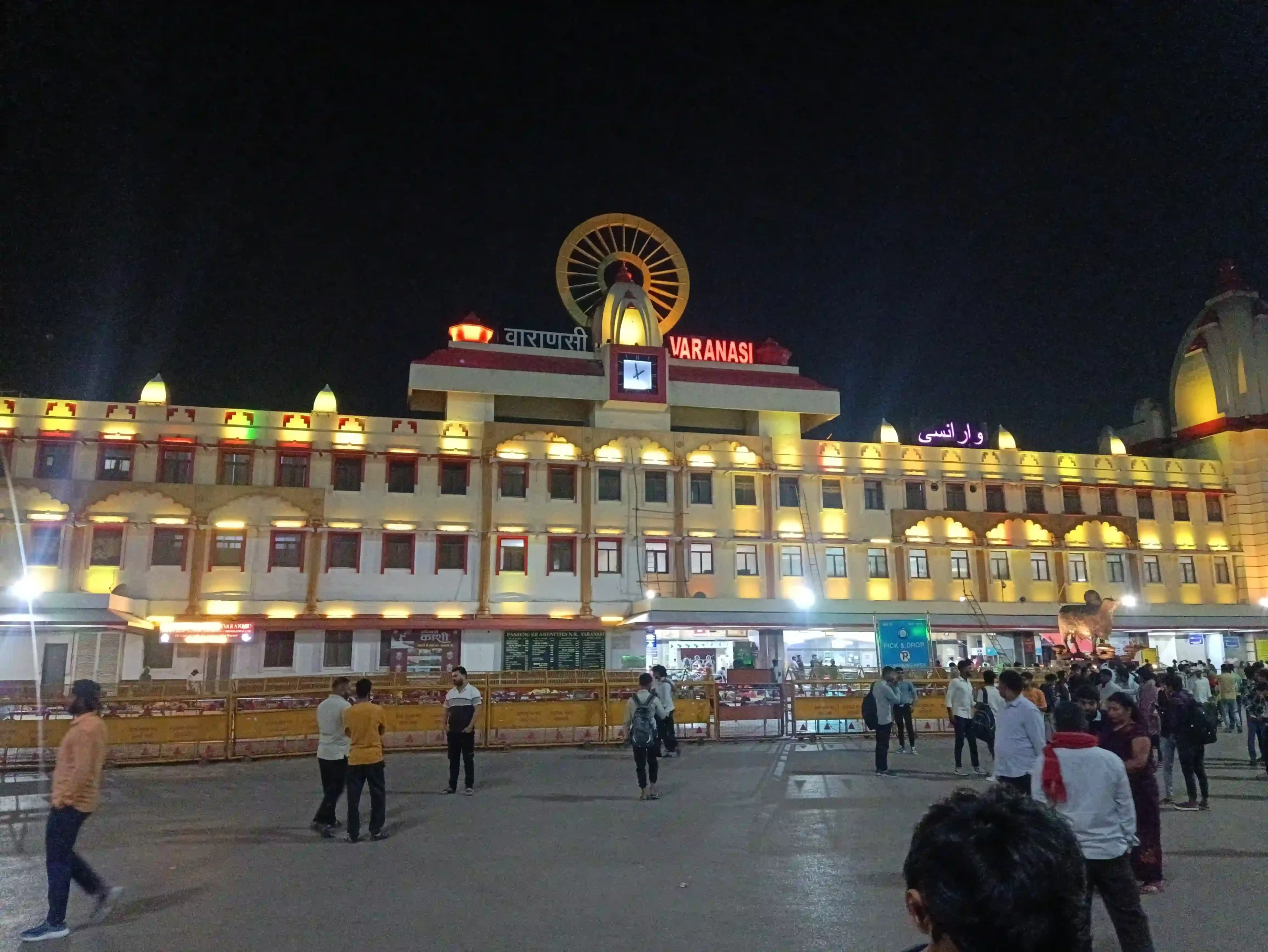
Visitors arriving in Delhi or another Indian city can check available trains to Varanasi. The Vande Bharat Express operates on selected routes, but not every departure city has a direct service. Confirm the route, station, departure time and journey duration for your intended date.
Indian Railways generally uses a 60-day advance reservation period for most applicable trains, excluding the date of journey, although exceptions and special booking rules can apply. Check the latest availability and rules on the official IRCTC website rather than relying on a fixed advance-booking claim from an older travel guide.
Local Transport and Navigation
Taxis, auto-rickshaws, e-rickshaws and app-based transport where available can help visitors move around Varanasi. However, traffic, narrow lanes, pedestrian-only areas and restrictions near religious sites may affect the final approach to a destination.
If you are staying in the old city, ask your accommodation whether a vehicle can reach the property entrance directly. Some hotels and guesthouses require visitors to walk a short distance with their luggage from the nearest accessible road. Allow extra time for busy roads, security checks and crowded areas.
Choosing Accommodation
The best area to stay depends on your priorities. Accommodation near the riverfront may be convenient for visitors interested in the ghats and evening ceremonies, while locations closer to major roads or transport hubs may suit travellers carrying luggage or planning several day trips.
Our Best Hotels in Kashi Varanasi guide can help you explore available accommodation options. Before booking, check the property’s exact location, recent guest reviews, cancellation conditions and transport arrangements.
Important Travel Notes for International Visitors
Check current visa and entry requirements before travelling to India. Verify international flight connections and transit conditions, consult official railway schedules before planning a train journey, and confirm temple opening hours and local access restrictions before visiting historical landmarks. In Varanasi, allow additional time for traffic, walking and security checks around busy religious sites.
Frequently Asked Questions
1. What is the historical connection between Varanasi and South Africa?
One of the clearest connections is Mahatma Gandhi. His experiences in South Africa helped shape his approach to Satyagraha, while his 1916 speech at Banaras Hindu University became an important moment in his public life in India.
2. Did Mahatma Gandhi deliver a famous speech at Banaras Hindu University?
Yes. Gandhi addressed an audience during the university’s opening ceremonies on 4 February 1916. His speech criticised social inequality and highlighted the need for public responsibility and greater attention to the lives of ordinary Indians.
3. Why is Bharat Mata Mandir important to Gandhi’s legacy?
Bharat Mata Mandir is associated with Gandhi because he inaugurated it in 1936. It is known for its marble relief map of undivided India and offers insight into ideas of national identity and unity during the freedom movement.
4. How can South African travellers reach Varanasi?
Travellers can compare international flight routes to Indian gateway cities and then check available domestic flights or trains to Varanasi. Routes, transit requirements, ticket availability and journey times should be confirmed for the intended travel dates.
5. Is Varanasi the ancestral hometown of most Indian South Africans?
There is no sufficient evidence to support that generalisation. Indian South Africans have diverse family histories and regional origins. Gandhi’s documented connection with both South Africa and Varanasi is a more reliable historical link.
Disclaimer
This article provides general historical and travel information and does not claim first-hand visits to the locations described. Historical details should be checked against reliable sources. Visa regulations, train schedules, temple timings and local access arrangements may change, so confirm current information through relevant official sources before travelling.
Continue Exploring Varanasi
Discover more travel guides, cultural information and practical planning tips for your visit to Kashi.