
Ayodhya is one of India’s most important sacred cities and a deeply significant pilgrimage destination associated with Lord Ram. Beyond the grand Ram Mandir, the city is home to ancient temples, sacred ghats, historic palaces and places connected with the spiritual traditions of Ayodhya.
If you are visiting Ayodhya for the first time, this guide will help you understand the most important temples and sacred places to include in your trip, along with practical tips for darshan, local travel, food, shopping and planning your day.
Whether you are travelling with family, senior citizens, children or visiting Ayodhya as part of a larger pilgrimage journey, the following places can help you experience both the famous landmarks and the deeper spiritual character of the city.
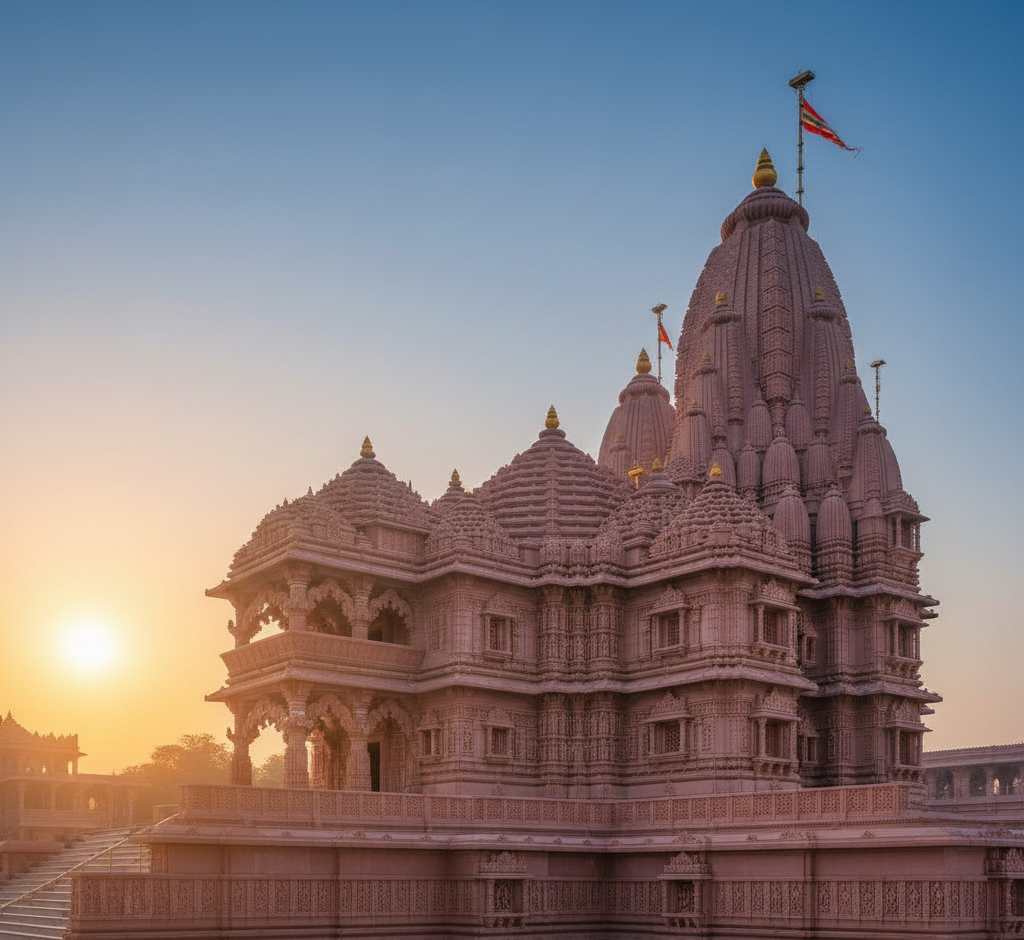
Ayodhya Temple Guide at a Glance
- Best known pilgrimage site: Ram Janmabhoomi / Shri Ram Mandir
- Important Hanuman shrine: Hanuman Garhi
- Important Vaishnav temple: Kanak Bhawan
- Sacred river: Saryu
- Popular evening experience: Saryu Ghat and evening Aarti
- Ideal approach: Plan the major temples according to location and available darshan time
- Best for: Families, pilgrims, senior citizens, spiritual travellers and first-time visitors
1. Ram Janmabhoomi – Shri Ram Mandir
Ram Janmabhoomi is the central pilgrimage destination for visitors coming to Ayodhya. The Shri Ram Mandir complex has transformed the city into an even more prominent pilgrimage destination while remaining closely connected with Ayodhya’s ancient religious identity.
For a first-time visitor, this should generally be treated as a major part of the Ayodhya itinerary. Because visitor arrangements, entry procedures, security requirements and darshan-related information can change, travellers should check the latest official information before leaving for the temple.
What to keep in mind
- Keep your visit organised and allow sufficient time for security and movement.
- Follow the temple administration’s current instructions regarding permitted items.
- Avoid carrying unnecessary luggage to the temple area.
- Wear comfortable clothing and footwear suitable for walking.
- During festivals and major religious occasions, expect larger crowds and longer movement times.
2. Hanuman Garhi
Hanuman Garhi is one of the most recognised temples in Ayodhya and is traditionally associated with Lord Hanuman. The temple is situated on an elevated location and is approached by a flight of steps.
Many pilgrims include Hanuman Garhi in their Ayodhya temple circuit along with Ram Janmabhoomi and Kanak Bhawan.
Read the complete Hanuman Garhi Ayodhya visitor guide
Planning tip: If you are travelling with senior citizens or people who have difficulty climbing stairs, plan this visit accordingly and allow extra time.
3. Kanak Bhawan
Kanak Bhawan is one of Ayodhya’s most celebrated temples and is traditionally associated with Lord Ram and Mata Sita. Its distinctive architectural character and devotional atmosphere make it an important stop on a temple-focused Ayodhya itinerary.
The temple can be combined naturally with other important religious sites in the central Ayodhya area.
4. Ram Ki Paidi
Ram Ki Paidi is a series of ghats along the Saryu River and is one of the most recognisable public spaces in Ayodhya. The area becomes particularly attractive during the morning and evening when pilgrims and visitors gather near the river.
It is a good place to slow down after visiting temples and experience Ayodhya beyond the temple interiors.
Visitors should be careful near the river, especially with children and during crowded periods. Follow local safety instructions and avoid entering the river beyond designated or safe areas.
5. Saryu Ghat
The Saryu River is deeply connected with Ayodhya’s religious identity. A visit to the riverfront provides a different experience from temple darshan, with pilgrims performing prayers, bathing and participating in devotional activities.
Evening is often a particularly memorable time at the ghats because of the devotional atmosphere and riverfront activities.
Saryu Aarti
If your schedule permits, consider including an evening Saryu Aarti experience in your itinerary. Exact timings and arrangements can vary according to the day, season and local administration, so check locally on the day of your visit.
6. Nageshwarnath Temple
Nageshwarnath Temple is an important Shiva temple in Ayodhya and is traditionally associated with the religious heritage of the city. It is especially relevant for pilgrims who want to experience Ayodhya’s Shaiva traditions alongside its strong Ram-bhakti identity.
Devotees visiting during major Shiva festivals may experience significantly larger crowds, so additional time should be kept in the itinerary.
7. Dashrath Mahal
Dashrath Mahal is associated with King Dashrath in Ayodhya’s religious tradition and is an important devotional site in the city. The area provides visitors with an opportunity to experience the traditional temple atmosphere of old Ayodhya.
The surrounding streets can be busy, particularly during important festivals and peak pilgrimage periods. Comfortable footwear is recommended because parts of the Ayodhya temple circuit involve walking.
8. Guptar Ghat
Guptar Ghat is situated along the Saryu River and holds an important place in Ayodhya’s religious tradition. It is associated with the traditional account of Lord Ram’s departure from the earthly realm.
Compared with the busiest temple areas, the riverfront atmosphere here can feel more reflective. It can therefore be a useful addition to an itinerary focused on Ayodhya’s spiritual and historical character.
9. Mani Parvat
Mani Parvat is one of Ayodhya’s historically and religiously significant elevated sites. The location is connected with the broader Buddhist and ancient historical heritage of the region as well as Ayodhya’s traditional religious landscape.
If you are interested in seeing a side of Ayodhya beyond the main temple circuit, Mani Parvat can be considered as part of a longer sightseeing plan.
10. Gulab Bari
Gulab Bari is a historic monument in Ayodhya associated with the Nawabi-era heritage of the region. It offers a different perspective on Ayodhya by showing that the city’s cultural history extends beyond its religious monuments.
Visitors interested in architecture, history and the cultural development of Ayodhya can include Gulab Bari in a broader city tour.
Ayodhya Temple Location on Google Maps
For navigation, you can use Google Maps to locate the main Ram Janmabhoomi / Shri Ram Mandir area before starting your temple circuit.
Open Ram Janmabhoomi Complex in Google Maps
Google Maps routes, travel times, entrances and local road conditions can change. Always check the live map before travelling.
How to Plan Your Ayodhya Temple Visit
Trying to visit every place without planning can make a pilgrimage tiring, especially during weekends, festivals and peak seasons. A better approach is to group the temples and riverfront locations into a practical route.
For a Short Visit
- Ram Janmabhoomi / Shri Ram Mandir
- Hanuman Garhi
- Kanak Bhawan
- Ram Ki Paidi or Saryu riverfront
For a Full-Day Ayodhya Visit
- Start with the major temple visit.
- Continue to Hanuman Garhi and Kanak Bhawan.
- Explore additional historic temples and sites.
- Visit the Saryu riverfront in the evening.
- If time permits, include Guptar Ghat or another historical attraction.
The exact order should depend on current crowd conditions, temple arrangements, opening hours and your accommodation location.
Getting Around Ayodhya
Ayodhya’s main pilgrimage areas can involve a considerable amount of walking. Depending on the location and crowd conditions, visitors may use local auto-rickshaws, e-rickshaws, taxis or other local transport options.
During major festivals, road restrictions and crowd-management arrangements can affect vehicle movement. In such situations, walking may sometimes be necessary for portions of the temple circuit.
Useful local travel tips
- Keep comfortable footwear with you.
- Carry drinking water, particularly in warmer months.
- Keep some extra time between major temple visits.
- Use live navigation for current road conditions.
- For elderly travellers, avoid packing too many attractions into one day.
Where to Stay in Ayodhya
Choosing accommodation near the area you plan to visit can make a significant difference to your pilgrimage experience. Hotels near the major temple and pilgrimage zones can be convenient for early starts and evening visits.
Before booking, compare location, room facilities, cancellation conditions, guest reviews and the distance from the places you actually plan to visit.
Explore Luxury & Premium Hotels Near Ram Mandir, Ayodhya
Hotel prices, availability, facilities and policies can change. Check the latest details on the booking page before making a reservation.
Food to Try During Your Ayodhya Visit
A pilgrimage to Ayodhya can also be a chance to explore the city’s vegetarian food culture. Visitors can find traditional North Indian vegetarian meals, snacks, sweets and local refreshments around the main pilgrimage areas.
When travelling with children or senior citizens, choose clean and comfortable places to eat and keep meal timings practical around your temple visits.
What to Carry for an Ayodhya Temple Trip
A simple and lightweight travel kit can make a temple trip much easier. Comfortable footwear, a small day bag, water, basic personal items and weather-appropriate clothing are useful for most visitors.
If you are travelling to Ayodhya and Kashi together, you may also want to prepare a combined pilgrimage travel kit.
See Our Essential Travel Accessories for Ayodhya & Kashi
This page may contain affiliate links. If you purchase through an eligible link, we may receive a commission at no additional cost to you.
Ayodhya Temple Visit Tips for Families & Senior Citizens
- Plan fewer places rather than rushing through the entire city.
- Keep medicines and personal essentials in an easily accessible bag.
- Take breaks between temple visits.
- Check the latest crowd and access conditions before visiting major temples.
- Keep children close in crowded pilgrimage areas.
- Prefer accommodation with convenient access to your planned sightseeing areas.
- Keep footwear and belongings organised because temple entry rules may restrict what can be carried inside.
Best Time to Visit Ayodhya
Ayodhya can be visited throughout the year, but the experience varies considerably with weather, festivals and pilgrimage crowds.
For comfortable sightseeing, many travellers prefer cooler months. Festival periods can provide a special devotional atmosphere but may also bring heavier crowds, higher accommodation demand and additional traffic restrictions.
If your priority is a quieter and more relaxed visit, check the festival calendar and local conditions before finalising your travel dates.
Suggested One-Day Ayodhya Temple Itinerary
- Morning: Begin with your planned visit to Ram Janmabhoomi / Shri Ram Mandir.
- Late Morning: Visit Hanuman Garhi.
- Afternoon: Visit Kanak Bhawan and nearby temples.
- Later Afternoon: Explore another historical or religious site depending on available time.
- Evening: Head towards Ram Ki Paidi or the Saryu riverfront.
- Night: Return to your hotel or continue with your onward journey.
This is a flexible itinerary rather than a fixed schedule. Actual movement times depend on crowds, security arrangements, weather and local traffic.
Suggested Two-Day Ayodhya Plan
Day 1 – Major Pilgrimage Circuit
- Ram Janmabhoomi / Shri Ram Mandir
- Hanuman Garhi
- Kanak Bhawan
- Ram Ki Paidi
- Evening Saryu riverfront
Day 2 – Heritage & Extended Sightseeing
- Nageshwarnath Temple
- Dashrath Mahal
- Guptar Ghat
- Mani Parvat
- Gulab Bari
A two-day plan provides more breathing room and is generally easier for families and travellers who want to combine religious visits with historical sightseeing.
Combining Ayodhya with Kashi
Many pilgrims plan Ayodhya and Kashi together as part of a larger North India spiritual journey. If you are visiting both destinations, allow enough time for each city rather than trying to cover every attraction in a single rushed itinerary.
Read Our Ayodhya & Varanasi Travel Guide for First-Time Visitors
Frequently Asked Questions About Visiting Ayodhya Temples
Which temple should I visit first in Ayodhya?
For most first-time pilgrims, Ram Janmabhoomi / Shri Ram Mandir is the central attraction. Hanuman Garhi and Kanak Bhawan are also important stops on a traditional Ayodhya temple itinerary.
How many temples can I visit in one day in Ayodhya?
The number depends on crowd conditions, travel time, darshan arrangements and how much time you want to spend at each place. A focused itinerary is usually more practical than trying to visit every attraction.
Is Ayodhya suitable for a family pilgrimage?
Yes. Families regularly visit Ayodhya, but parents should plan around walking distances, crowds, weather and the needs of children or elderly family members.
Can senior citizens visit Ayodhya temples?
Yes, but the amount of walking and the presence of stairs can vary by location. A slower itinerary with regular breaks can make the visit more comfortable.
What is the best time to visit the Saryu riverfront?
The riverfront can be visited at different times of the day. Evening is particularly popular because of the devotional atmosphere around the ghats and Aarti-related activities. Local arrangements and timings may change.
Should I book a hotel near Ram Mandir?
Staying closer to your main pilgrimage area can reduce local travel time, particularly if you plan early-morning or evening visits. Compare the hotel’s current location, availability, reviews and booking conditions before reserving.
Is Google Maps useful in Ayodhya?
Yes. Live navigation can help with current road conditions and route planning, although temporary road restrictions and crowd-management arrangements can affect routes during major occasions.
What should I carry for an Ayodhya temple visit?
Carry comfortable clothing, suitable footwear, water and basic personal essentials. Avoid carrying unnecessary items because individual temples may have their own entry and security restrictions.
Final Thoughts
Ayodhya is more than a list of temples to tick off during a trip. Its religious identity is experienced through temples, ghats, prayers, local traditions, historic sites and the atmosphere of the old city.
For a first visit, begin with the major pilgrimage sites, keep your schedule flexible, allow time for walking and avoid trying to cover too much in a single day. With thoughtful planning, you can experience both the important temples and the quieter spiritual side of Ayodhya.
Before travelling, always verify current temple arrangements, entry rules, timings, local transport conditions and accommodation availability because these details can change.
Important Travel Disclaimer
This guide is provided for general travel and pilgrimage planning. Temple timings, darshan arrangements, entry procedures, security rules, road conditions, festival schedules, accommodation prices and local transport information may change without prior notice. Please verify the latest information with the relevant temple authorities, official sources or service providers before travelling.